



The clash between the Venezuela national baseball team and the Japan national baseball team delivered one of the most exciting international baseball contests in recent memory. In this Venezuela vs Japan matchup, fans witnessed an intense battle filled with power hitting, strategic pitching, and dramatic momentum swings.
International baseball often showcases unique playing styles. Venezuela traditionally brings explosive offense and aggressive base running, while Japan is known for discipline, precision, and defensive excellence. When these two baseball cultures collide, the result is usually an unforgettable contest.
The game quickly evolved into a thrilling showdown where both teams demonstrated their strengths. Venezuela’s lineup relied on timely home runs and aggressive hitting to challenge the Japanese pitching staff. Japan, meanwhile, attempted to maintain control through disciplined at-bats and structured defensive play.
One of the most decisive moments of the contest came when Venezuela launched multiple home runs, shifting momentum in their favor. Key hitters such as Ronald Acuña Jr., Maikel Garcia, and Wilyer Abreu produced crucial offensive moments that helped Venezuela secure an 8–5 victory and advance in the tournament.
This article presents a complete game breakdown, player statistics analysis, tactical review, and key turning points from the Venezuela vs Japan matchup. From early inning drama to late-game tension, every phase of the contest reveals how international baseball continues to captivate fans around the world.
Game Score Table
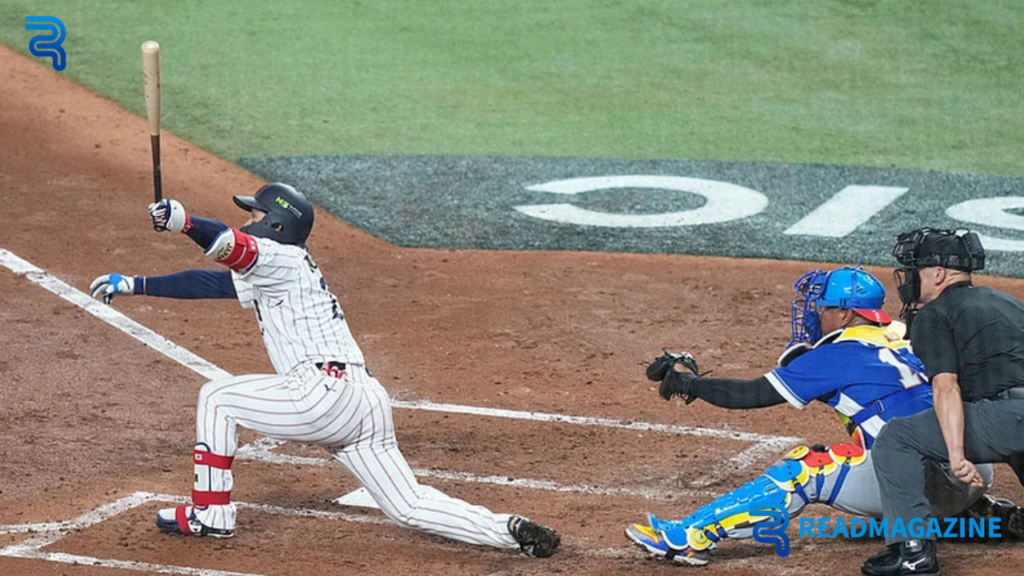
| Team | 1 | 2 | 3 | 4 | 5 | 6 | 7 | 8 | 9 | Final |
|---|---|---|---|---|---|---|---|---|---|---|
| Venezuela national baseball team | 1 | 1 | 0 | 0 | 2 | 3 | 0 | 1 | 0 | 8 |
| Japan national baseball team | 1 | 0 | 4 | 0 | 0 | 0 | 0 | 0 | 0 | 5 |
Match Stats Table
| Match Stats | Venezuela | Japan |
|---|---|---|
| Total Runs | 8 | 5 |
| Hits | 10 | 7 |
| Errors | 0 | 1 |
| Home Runs | 4 | 2 |
| RBIs | 8 | 5 |
| Strikeouts | 9 | 11 |
| Walks | 3 | 4 |
| Left on Base | 4 | 5 |
| Stolen Bases | 1 | 1 |
| Double Plays | 2 | 1 |
Match Overview
The Venezuela vs Japan game was played in a high-pressure tournament environment where every inning carried enormous importance. Both teams entered the matchup with strong reputations in international baseball and rosters filled with talented players.
Japan came into the contest as a disciplined and technically refined team. Known globally for their structured approach, the Japanese lineup relies heavily on contact hitting, speed, and defensive efficiency. Their strategy typically involves building scoring opportunities gradually through consistent base runners and smart situational hitting.
Venezuela approached the game with a different style. Latin American baseball often emphasizes power hitting and aggressive offensive play. Venezuelan hitters are comfortable swinging for extra bases and capitalizing on mistakes from opposing pitchers.
The early innings demonstrated this contrast clearly. Japan attempted to control the pace of the game with calculated at-bats, while Venezuela looked for explosive scoring opportunities through powerful swings.
Momentum shifted multiple times throughout the contest. Japan initially held an advantage, but Venezuela responded with a powerful offensive surge during the middle innings. Key home runs and timely hits helped the Venezuelan lineup take control of the scoreboard.
By the time the game entered its final innings, both teams were battling intensely for dominance. Venezuela ultimately secured victory after holding off Japan’s late offensive push.
The overall flow of the game highlighted why international baseball remains unpredictable and exciting. Strategic adjustments, individual brilliance, and clutch performances all contributed to the outcome.
Team Lineups and Starting Rosters
Both teams entered the Venezuela vs Japan matchup with talented lineups filled with international stars and experienced professionals.
Venezuela Starting Lineup
Venezuela’s lineup emphasized power hitters capable of changing the game with one swing. The team included several players known for their ability to deliver clutch hits during high-pressure situations.
Key players included:
- Ronald Acuña Jr. – Outfield
- Maikel Garcia – Infield
- Wilyer Abreu – Outfield
- Ezequiel Tovar – Shortstop
- Salvador Pérez – Catcher
These hitters combined speed, strength, and aggressive offensive instincts. Their ability to generate extra-base hits proved vital during the contest.
Japan Starting Lineup
Japan relied on a balanced lineup designed around discipline and contact hitting. The team featured several internationally recognized players.
Important players included:
- Shohei Ohtani – Designated hitter
- Seiya Suzuki – Outfield
- Masataka Yoshida – Outfield
- Kazuma Okamoto – First base
- Tetsuto Yamada – Second base
The Japanese lineup focused on building innings through consistent hits rather than relying solely on power.
Both teams also brought strong pitching rotations into the matchup. The starting pitchers played critical roles during the early stages of the game by attempting to establish control of the strike zone.
Ultimately, the strength of these lineups set the stage for a thrilling offensive and strategic battle.
First Inning Breakdown
The opening inning of the Venezuela vs Japan matchup immediately set the tone for the contest. Early momentum often plays a significant role in baseball, and both teams understood the importance of starting strong.
Venezuela struck first with aggressive hitting that caught the Japanese pitching staff off guard. Ronald Acuña Jr. quickly made an impact by delivering a powerful home run that energized the Venezuelan bench and crowd.
Japan responded with composure. Instead of panicking after conceding an early run, the Japanese hitters focused on disciplined plate appearances. Their strategy involved forcing the Venezuelan pitcher to throw additional pitches while searching for mistakes.
Defensively, both teams demonstrated strong fundamentals. Venezuela’s infield successfully handled ground balls and limited Japan’s base running opportunities. Meanwhile, Japan’s outfield prevented extra-base hits through excellent positioning and quick reactions.
Although only a few runs were scored during the opening inning, the energy and intensity were evident. Players from both teams displayed determination and focus, knowing that every play could influence the outcome.
The first inning established the competitive tone that would continue throughout the game.
Second and Third Innings Analysis
The second and third innings represented a phase where both teams attempted to settle into rhythm. Pitchers began adjusting their approach based on hitter tendencies observed during the opening inning.
Japan demonstrated their traditional baseball philosophy during this stage. Instead of swinging aggressively at every pitch, hitters focused on making contact and advancing runners gradually. This strategy allowed them to place pressure on Venezuela’s defense.
Meanwhile, Venezuela’s pitchers relied heavily on velocity and pitch movement. By mixing fastballs with breaking pitches, they attempted to disrupt the timing of Japanese hitters.
Offensively, Venezuela remained patient while waiting for scoring opportunities. Rather than forcing swings, Venezuelan hitters looked for pitches in favorable locations before committing.
Defensively, both teams executed several important plays. Ground balls were converted into outs efficiently, and outfielders prevented potential extra-base hits.
The game remained tightly contested during these innings. Although scoring opportunities appeared for both teams, strong pitching and disciplined defense prevented any major offensive explosions.
This stage of the game served as a tactical chess match between two baseball philosophies.
Middle Innings Momentum Shift
The middle innings ultimately became the turning point of the Venezuela vs Japan matchup.
Japan initially held a narrow advantage, but Venezuela’s offense began building momentum through aggressive hitting and powerful swings.
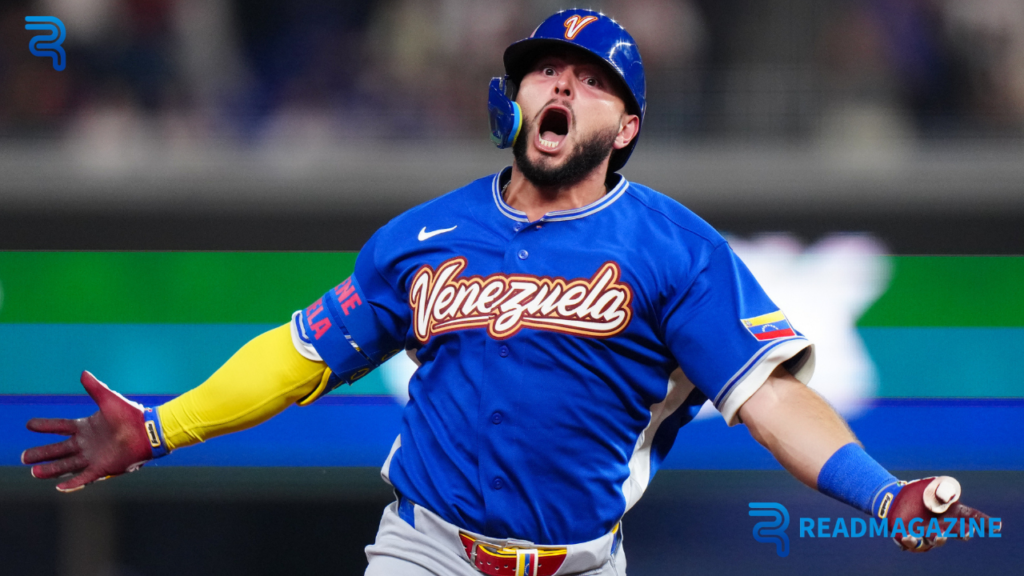
Maikel Garcia delivered a key home run that reduced Japan’s lead and shifted the psychological momentum of the game.
Soon afterward, Wilyer Abreu produced one of the most memorable moments of the contest. His three-run home run dramatically changed the scoreboard and gave Venezuela a decisive advantage.
This offensive surge demonstrated Venezuela’s ability to score quickly through power hitting. Instead of relying on multiple singles, a single swing of the bat transformed the game.
Japan attempted to respond by adjusting their pitching strategy, but Venezuela’s hitters remained confident and aggressive.
The middle innings therefore marked the moment when Venezuela gained full control of the contest.
Pitching Performance Breakdown
Pitching performance played a crucial role in shaping the outcome of the Venezuela vs Japan matchup.
Both teams relied heavily on their starting pitchers to establish early control. The Japanese starter initially delivered strong innings, limiting Venezuela’s offense through accurate pitch placement and strategic sequencing.
However, once Venezuela’s hitters adjusted to the pitching style, they began making stronger contact.
Venezuela’s pitching staff also faced challenges against Japan’s disciplined lineup. Japanese hitters rarely chased pitches outside the strike zone, forcing the Venezuelan pitchers to work carefully.
As the game progressed, bullpen pitchers from both teams entered the contest. These relief pitchers were responsible for maintaining control during high-pressure situations.
Venezuela’s bullpen ultimately proved more effective. After taking the lead, the Venezuelan relief pitchers retired several Japanese hitters consecutively and prevented a comeback attempt.
This pitching discipline during the later innings played a key role in securing the victory.
Offensive Strategy Comparison
The Venezuela vs Japan matchup clearly illustrated two contrasting offensive philosophies that are often seen in international baseball competitions. Each team entered the game with a unique approach shaped by its baseball culture, player strengths, and historical playing style. Observing these strategies during the game provided valuable insight into how different offensive systems operate at the highest level of the sport.
Venezuela’s Offensive Approach
Venezuela relied heavily on power hitting and aggressive offensive execution throughout the game. The lineup featured several players known for their ability to drive the ball deep into the outfield and produce extra-base hits. From the very beginning of the contest, Venezuelan hitters approached the plate with confidence and a willingness to swing aggressively at favorable pitches.
This strategy became especially effective during the middle innings when Venezuela began to shift the momentum of the game. A series of powerful hits including multiple home runs allowed the team to quickly close the scoring gap and eventually take the lead. These explosive offensive moments demonstrated how power hitting can dramatically change the direction of a baseball game within a short period of time.
The Venezuelan lineup also showed strong situational awareness. Players remained patient enough to wait for pitches they could drive while maintaining an aggressive mindset once runners reached base. This combination of patience and power created multiple scoring opportunities and forced Japan’s pitchers to constantly work under pressure.
Another advantage of Venezuela’s offensive strategy was its psychological impact. When hitters consistently threaten to hit home runs, opposing pitchers often become more cautious. This caution can lead to walks or mistakes in pitch location, both of which increase scoring potential. Venezuela successfully capitalized on these situations throughout the game.
Japan’s Offensive Approach
In contrast, Japan traditionally relies on a more disciplined and methodical offensive style. The Japanese lineup focused on consistency, patience, and intelligent base running rather than relying exclusively on home runs.
Japanese hitters worked deep counts and attempted to build scoring opportunities through singles, well-placed hits, and strategic base advancement. This approach reflects Japan’s long-standing baseball philosophy, which emphasizes technical precision and teamwork. Even when facing difficult pitching, Japanese players remained patient and focused on making consistent contact with the ball.
Early in the game, this approach helped Japan establish offensive momentum. A series of disciplined at-bats produced multiple runs and placed Venezuela’s pitching staff under pressure. However, as the game progressed, Venezuela’s power hitting gradually shifted the momentum of the contest.
International baseball often showcases this contrast between power-focused and precision-focused strategies. Both approaches have proven successful in various tournaments around the world. However, in this particular matchup, Venezuela’s ability to produce multiple home runs ultimately proved decisive and shaped the final outcome of the game.
Defensive Highlights
Defense often determines the outcome of closely contested baseball games, and the Venezuela vs Japan matchup provided several impressive defensive moments from both teams. While the offensive plays received significant attention, the defensive execution displayed by players on both sides helped maintain the competitive balance throughout the contest.
Japan’s infield demonstrated excellent coordination during multiple double-play situations. These plays required quick reactions, precise footwork, and accurate throws between fielders. On several occasions, Venezuela managed to place runners on base and appeared ready to extend the inning with additional hits. However, Japan’s infielders responded with perfectly executed double plays that immediately ended scoring opportunities.
These defensive sequences showcased Japan’s traditional emphasis on technical discipline and teamwork. Japanese players are widely recognized for their defensive training and situational awareness, and those qualities were clearly visible throughout the game.
Venezuela’s defense also produced several key moments that prevented Japan from generating additional runs. The Venezuelan outfielders displayed impressive speed and anticipation when tracking deep fly balls. In one notable instance, an outfielder made a running catch near the warning track that prevented what could have been an extra-base hit.
Accurate throwing also played an important role in Venezuela’s defensive success. Outfielders delivered strong throws toward the infield that forced Japanese runners to remain cautious when attempting to advance to scoring position. These quick defensive responses helped limit Japan’s offensive momentum during crucial moments.
Communication between fielders was another important factor. Players consistently called for fly balls, coordinated coverage on ground balls, and ensured that each defensive play was executed smoothly. This level of teamwork prevented costly errors that could have dramatically altered the scoreboard.
Ultimately, the defensive performances of both teams highlighted the importance of fielding discipline in international baseball. While Venezuela’s power hitting helped determine the final result, strong defensive execution from both sides ensured that the game remained competitive and exciting until the final innings.
Key Player Performances
The Venezuela vs Japan matchup featured several outstanding individual performances that played a decisive role in shaping the game’s outcome. In high-stakes international tournaments such as the World Baseball Classic, individual brilliance often becomes the turning point that shifts momentum and energizes an entire team. During this contest, several players stepped forward with crucial offensive and defensive contributions that defined the narrative of the game.
Venezuela Standout Players
Venezuela’s offensive surge was led by a group of dynamic hitters who delivered powerful moments at exactly the right time.
Ronald Acuña Jr. set the tone early in the game with a dramatic leadoff home run. His aggressive approach at the plate immediately energized Venezuela’s lineup and demonstrated the team’s willingness to challenge Japan’s pitching from the very beginning. Acuña’s presence in the lineup constantly pressured Japan’s defense and pitching staff.
Another defining moment came from Maikel García, who delivered a momentum-shifting home run that helped Venezuela close the scoring gap during the middle innings. García’s hit was particularly important because it came during a phase when Japan appeared to have the advantage. His ability to respond under pressure kept Venezuela within striking distance.
The most decisive contribution came from Wilyer Abreu. In one of the most memorable moments of the game, Abreu launched a dramatic three-run home run that gave Venezuela the lead and ultimately changed the direction of the contest. His powerful swing and celebratory bat flip became one of the iconic highlights of the tournament.
Japan Standout Players
Japan also featured several star players who demonstrated their skill and composure throughout the matchup.
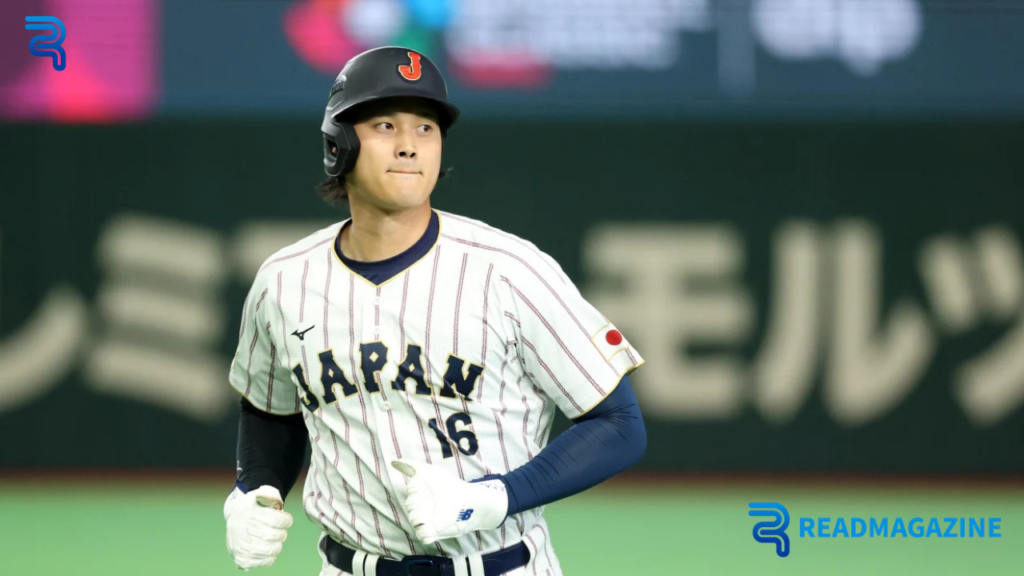
Shohei Ohtani showcased his elite talent with disciplined plate appearances and an early home run that helped Japan build momentum at the start of the game. Ohtani’s presence as one of baseball’s most versatile players made him a constant threat in the lineup.
Seiya Suzuki contributed with strong defensive plays in the outfield. His quick reactions and ability to track deep fly balls helped prevent additional runs during critical moments.
Meanwhile, Masataka Yoshida provided consistency at the plate. His patient hitting approach helped Japan maintain offensive pressure and keep runners on base.
Overall, the contributions from these key players created a compelling narrative. Venezuela’s clutch power hitting ultimately proved decisive, while Japan’s star performers continued to demonstrate the technical excellence that has long defined their national baseball program.
Late Inning Drama
As the game moved into its final innings, the tension between Venezuela and Japan intensified dramatically. Close international contests often become psychological battles, where every pitch, swing, and defensive play carries enormous significance.
Japan entered the late innings determined to mount a comeback. Their hitters approached the plate with patience and focus, attempting to create scoring opportunities by placing runners on base. Strategic at-bats forced Venezuela’s pitchers to throw additional pitches and created several high-pressure situations.
At one point, Japan successfully loaded runners on base, raising the possibility of a dramatic late-game rally. The crowd inside the stadium sensed the moment and responded with loud anticipation as Japan attempted to narrow the score gap.
However, Venezuela’s bullpen responded with remarkable composure. Relief pitchers executed precise pitches and maintained strong control of the strike zone. Their ability to remain calm under pressure prevented Japan from capitalizing on several promising scoring opportunities.
One of the most crucial defensive moments occurred when Venezuela’s pitcher delivered consecutive strikeouts that ended a potential Japanese rally. These key outs helped protect Venezuela’s lead and shifted the psychological momentum back toward the Venezuelan dugout.
The final innings therefore became a dramatic confrontation between Japan’s determination and Venezuela’s defensive discipline. Each pitch carried enormous importance as both teams fought to control the game’s final moments.
When the final out was recorded, Venezuela secured a memorable victory that eliminated Japan from the tournament. The dramatic finish highlighted the emotional intensity that makes international baseball competitions so captivating.
Statistical Summary
A closer look at the statistical breakdown of the game highlights how Venezuela’s offensive efficiency ultimately determined the outcome of the Venezuela vs Japan matchup.
One of the most striking elements of the game was the number of powerful hits delivered by Venezuela’s lineup. The team produced several home runs that significantly influenced the scoreboard. These long-distance hits not only generated runs but also shifted the psychological momentum of the contest.
Venezuela’s middle-inning offensive surge proved particularly decisive. During this phase, the team successfully converted scoring opportunities into runs through aggressive hitting and well-timed power shots. The combination of patience at the plate and explosive swings allowed Venezuela to overcome an early deficit.
Another important statistical factor was bullpen performance. After Venezuela’s starting pitcher completed his portion of the game, the relief pitchers maintained excellent control during the final innings. They prevented Japan from scoring additional runs and ensured that the team’s offensive lead remained secure.
Japan’s offensive statistics also reflected several positive elements. Their hitters displayed disciplined plate appearances and managed to produce early scoring through well-placed hits and power swings. However, the team struggled to maintain consistent offensive production during the later innings.
The contrast between Venezuela’s power hitting and Japan’s decreasing offensive momentum ultimately defined the statistical story of the game. Venezuela’s ability to deliver timely home runs and maintain strong pitching control allowed them to secure a crucial victory in the tournament.
These numbers illustrate an important truth about baseball: even a closely contested game can be decided by a few key moments of offensive brilliance and disciplined pitching. In this case, Venezuela’s explosive hitting proved to be the decisive factor that shaped the final result.
Tactical Decisions by Managers
Managerial strategy played a significant role in shaping the outcome of the game between the Venezuela national baseball team and the Japan national baseball team. In high-level international baseball, managers must constantly evaluate situations and make decisions that balance offense, defense, and pitching management. During this contest, both teams demonstrated thoughtful tactical planning that influenced several critical moments.
One of the most noticeable aspects of the game was the defensive positioning used by both sides. Managers carefully analyzed hitter tendencies and adjusted their fielding alignments accordingly. Infielders occasionally shifted toward the pull side when facing powerful hitters, while outfielders moved deeper when anticipating long drives. These adjustments reduced the chances of extra-base hits and forced batters to work harder for every offensive opportunity.
Pitching strategy was another area where managerial decisions proved essential. Starting pitchers for both teams began the game with strong command, but as the innings progressed, managers needed to monitor pitch counts and fatigue levels. In international tournaments such as the World Baseball Classic, quick decisions regarding pitching changes can determine whether a team maintains control or allows the opposition to build momentum.
Bullpen management became particularly important during the later innings. When offensive pressure increased, both managers turned to their most reliable relief pitchers to handle high-leverage situations. These relievers were tasked with retiring dangerous hitters and preventing rallies that could quickly shift the scoreboard.
Managers also made decisions regarding pinch hitters, defensive substitutions, and base-running strategies. Each of these tactical choices required careful analysis of the opposing lineup and game situation. Even small decisions such as when to attempt a stolen base or when to sacrifice a bunt can dramatically influence the flow of the game.
Ultimately, the tactical decisions made by both managers highlighted the strategic depth of international baseball. Success at this level requires not only talented players but also intelligent leadership capable of adapting to rapidly changing circumstances.
Crowd Atmosphere and Stadium Energy
The atmosphere during the Venezuela vs Japan matchup was electric from the first pitch to the final out. International baseball games often create an environment that feels very different from regular professional league contests. When national teams compete, the emotional connection between fans and players becomes even stronger.
Supporters from Venezuela and Japan filled the stadium with vibrant energy and enthusiasm. Flags, team jerseys, and national colors were visible throughout the crowd. Fans sang chants, waved banners, and celebrated every exciting moment on the field. Each hit, strikeout, and defensive play generated loud reactions that echoed across the stadium.
The passion of Venezuelan supporters was especially noticeable during key offensive moments. When their team launched crucial hits that shifted the momentum of the game, the stadium erupted with cheers and rhythmic chanting. This level of enthusiasm often motivates players to perform with even greater intensity.
Japanese fans also brought their own unique style of support. Known for their organized cheering sections and coordinated chants, they created a disciplined yet powerful atmosphere. Even during challenging moments in the game, Japanese supporters continued encouraging their team with unwavering dedication.
International events like the World Baseball Classic frequently produce unforgettable stadium environments because national pride amplifies every moment. The sense of representing an entire country adds emotional weight to each pitch and swing.
As the game progressed into the later innings, the noise inside the stadium reached its peak. Every play felt significant, and the crowd’s collective anticipation created an atmosphere of tension and excitement. This vibrant environment added an extra layer of drama to the contest and made the game even more memorable for players and fans alike.
Historical Context of Venezuela vs Japan
The matchup between the Venezuela national baseball team and the Japan national baseball team represents a fascinating meeting of two powerful baseball traditions. Both countries have developed strong reputations in international competition, and their encounters often highlight different playing styles and baseball philosophies.
Japan has historically been one of the most successful nations in international baseball tournaments. The country won the first World Baseball Classic in 2006 and successfully defended its title in 2009. Japanese teams are known for their disciplined approach, exceptional pitching development, and highly organized defensive play. These qualities have allowed Japan to consistently compete at the highest level in global tournaments.
Venezuela, meanwhile, has become a major powerhouse in the baseball world thanks to its deep pool of talented players. The country produces numerous stars who compete in Major League Baseball, and these players often bring a powerful offensive style to international competition. Venezuela’s teams typically rely on aggressive hitting, athletic fielding, and dynamic base-running to challenge opponents.
Interestingly, despite both nations frequently advancing deep into international tournaments, they have not always faced each other regularly. In earlier editions of the World Baseball Classic, tournament structures often placed them in different groups or opposite sides of the bracket. As a result, direct encounters between the two teams have sometimes occurred only in later knockout rounds.
The 2026 tournament provided a particularly significant moment in this rivalry. Japan entered the competition as the defending champion after winning the 2023 title, but Venezuela defeated them in the quarterfinal round, marking Japan’s earliest elimination in the tournament’s history.
This evolving rivalry illustrates the global growth of baseball. When Venezuela and Japan meet on the international stage, fans witness a compelling clash between two different baseball cultures one emphasizing discipline and precision, and the other showcasing power and athleticism.
Impact on Tournament Standings
The victory for the Venezuela national baseball team against the Japan national baseball team carried significant implications for the overall standings in the World Baseball Classic 2026. Tournament knockout rounds are often defined by a single decisive performance, and this matchup proved exactly that. Venezuela’s impressive comeback victory not only secured their advancement but also reinforced their position as one of the strongest teams remaining in the competition.
By defeating Japan 8–5 in the quarterfinal stage, Venezuela advanced to the semifinals of the tournament for the first time since 2009. This achievement was particularly notable because Japan entered the competition as the defending champion after winning the previous edition of the World Baseball Classic in 2023. Venezuela’s win therefore represented a major upset that reshaped the expectations of analysts and fans alike.
The result also influenced qualification opportunities beyond the tournament itself. Venezuela’s strong performance helped secure a spot in future international events, including qualification pathways connected to the Olympic baseball tournament scheduled for 2028 in Los Angeles. Such outcomes highlight how major international tournaments can have long-term effects on global rankings and future participation.
For Japan, the defeat marked a disappointing and historically significant moment. The team had consistently performed at an elite level in previous tournaments and had reached the semifinals in nearly every edition of the World Baseball Classic. Their elimination in the quarterfinal round therefore represented their worst finish in tournament history and sparked discussion about strategic adjustments for the future.
Overall, the Venezuela vs Japan result dramatically reshaped the tournament landscape. It opened the door for new contenders to pursue the championship while reminding the global baseball community that international competition can always produce unexpected outcomes.
Lessons from the Game
The Venezuela vs Japan matchup provides several valuable insights for teams competing in international baseball tournaments. Games at this level often reveal how strategy, preparation, and mental resilience influence outcomes when the pressure is highest.
One of the most important lessons from the game is how quickly offensive momentum can shift. Early in the contest, Japan appeared to have control of the game after building a lead through disciplined hitting. However, Venezuela responded with a powerful offensive surge in the middle innings. Key home runs dramatically changed the scoreboard and demonstrated how a single swing can completely alter the direction of a baseball game.
Another major lesson concerns bullpen depth and pitching management. In high-level tournaments where games are often close, relief pitchers play a critical role in maintaining control. Venezuela’s bullpen performed exceptionally well during the later innings, retiring a long stretch of Japanese hitters and preventing any comeback opportunities. Their composure under pressure allowed Venezuela to protect their lead and close out the victory.
Adaptability also emerged as a key theme. Japan entered the game with a well-structured strategy based on discipline and technical precision. However, Venezuela’s sudden offensive momentum required quick adjustments that proved difficult to execute during the middle innings. International tournaments demand constant tactical flexibility, and teams must respond quickly when the game begins shifting in unexpected ways.
Finally, the game highlighted the importance of confidence and mental resilience. Venezuela’s players remained composed even after falling behind early in the contest. Their ability to maintain focus and execute clutch hits under pressure ultimately became the decisive factor.
Together, these lessons reinforce the complexity of international baseball and illustrate why preparation, adaptability, and composure remain essential ingredients for success.
Future Prospects for Both Teams
Despite the outcome of this particular matchup, both the Venezuela national baseball team and the Japan national baseball team remain among the most respected and competitive baseball nations in the world. Their rosters continue to feature talented players who compete at the highest levels of professional baseball, ensuring that future tournaments will remain highly competitive.
For Venezuela, the victory against Japan represents an important milestone that could shape the team’s future trajectory. The current roster includes several young stars and emerging talents capable of becoming long-term leaders within the national program. Players such as Ronald Acuña Jr. and other dynamic hitters have already demonstrated the ability to influence games at the international level. As these players gain additional experience in global tournaments, Venezuela’s competitive strength is expected to continue growing.
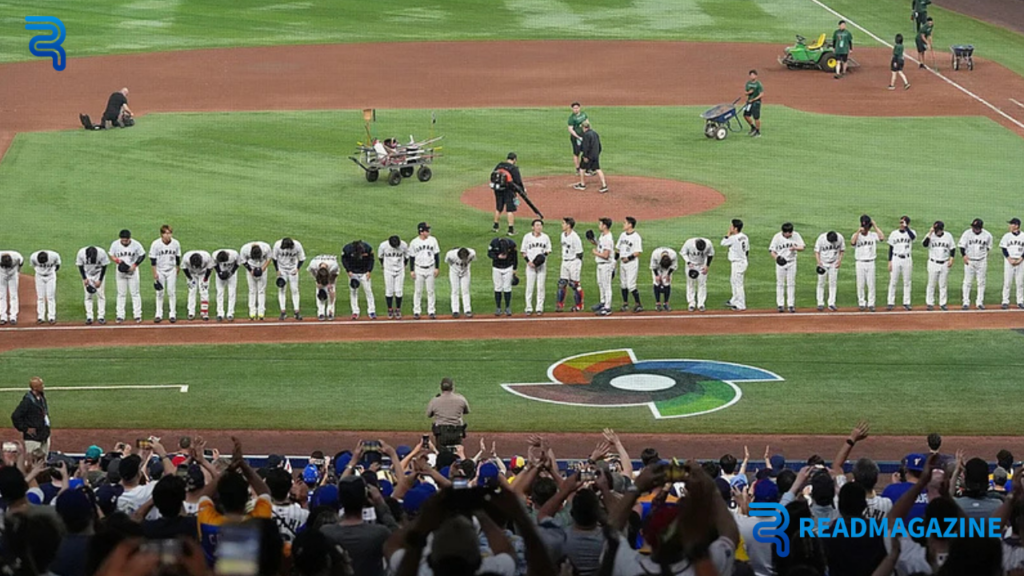
Japan, meanwhile, remains one of the most technically advanced baseball programs in the world. The country’s development system supported by professional leagues, youth academies, and structured training programs continues to produce elite players year after year. Even though Japan experienced an earlier-than-expected exit in this tournament, the program’s long-term outlook remains extremely strong.
Japanese baseball has historically emphasized discipline, precision, and defensive excellence. Future teams will likely refine their strategic approach while maintaining the fundamental principles that have made them successful for decades.
Looking ahead, future matchups between Venezuela and Japan promise to remain exciting and unpredictable. Both teams possess unique playing styles, passionate fan bases, and deep pools of talent. When these two baseball cultures meet on the international stage, the result is often a thrilling contest that captures the attention of fans around the world.
Conclusion
The Venezuela vs Japan matchup delivered everything fans expect from international baseball. Power hitting, disciplined pitching, dramatic momentum shifts, and passionate fan support combined to create a memorable contest.
Venezuela’s explosive offense ultimately proved decisive, particularly during the middle innings when key home runs transformed the game’s momentum. Japan fought hard throughout the contest, demonstrating resilience and technical skill.
Matches like this highlight the global growth of baseball and the excitement of international competition. As both teams continue developing talented players, future Venezuela vs Japan encounters promise to be just as thrilling and unpredictable.
FAQs
1. Who won the Venezuela vs Japan match?
Venezuela won the game with an 8–5 victory, advancing further in the tournament after a strong middle-inning offensive surge.
2. Which players scored key home runs for Venezuela?
Key home runs were hit by Ronald Acuña Jr., Maikel Garcia, and Wilyer Abreu, with Abreu’s three-run homer proving especially decisive.
3. Why was the Venezuela vs Japan game important?
The game was important because it determined advancement in the international tournament and featured several high-profile baseball stars.
4. What strategy did Japan use during the game?
Japan relied on disciplined hitting, defensive organization, and patience at the plate to create scoring opportunities.
5. What was the biggest turning point in the match?
The biggest turning point occurred when Venezuela hit multiple home runs in the middle innings, shifting momentum and giving them a decisive lead.
Visit Readmagazine for more blogs.