

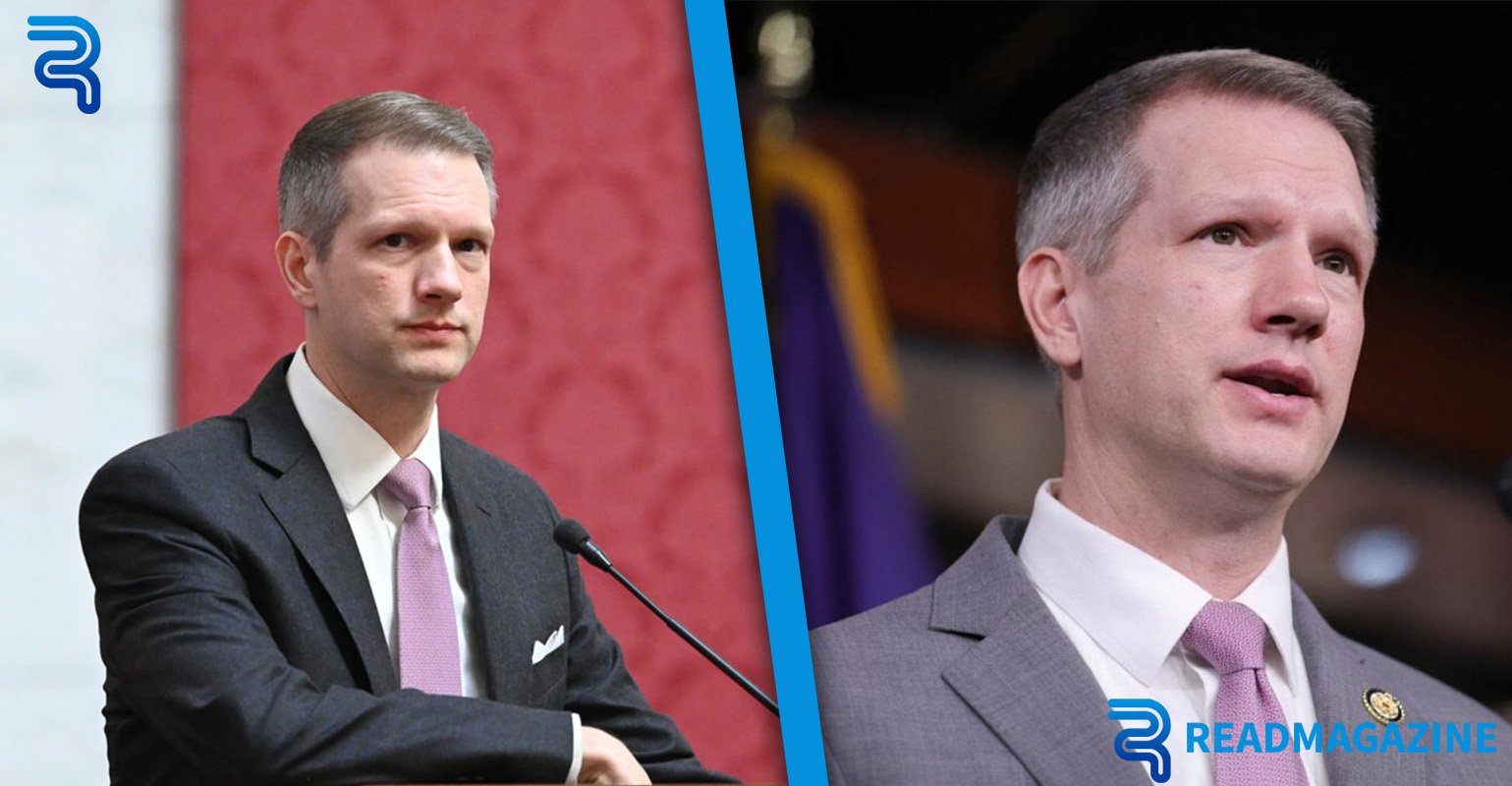

Riley Moore has emerged as a prominent figure in West Virginia politics, known for his conservative values, fiscal focus, and outspoken policy positions. As a public official who has served in statewide office, Moore has built a reputation centered on financial oversight, economic development, and constitutional principles.
His rise in politics did not happen overnight. It reflects years of involvement in public service, business experience, and grassroots campaigning. Supporters see him as a strong advocate for limited government and responsible budgeting. Critics, meanwhile, often challenge his policy stances.
Understanding Riley Moore requires looking at his background, core beliefs, and the path that shaped his political identity. This article explores his early life, professional journey, policy priorities, and long-term ambitions.
Bio Table
| Field | Details |
|---|---|
| Full Name | Riley Moore |
| Date of Birth | 1980 |
| Birthplace | West Virginia, United States |
| Nationality | American |
| Political Party | Republican Party |
| Current Role | U.S. Representative (West Virginia) |
| Former Position | West Virginia State Treasurer |
| Education | Bachelor’s Degree (Government & Public Policy focus) |
| Key Policy Focus | Fiscal Responsibility, Energy Policy, State Sovereignty |
| Professional Background | Public Service, Business & Government Affairs |
| Known For | Conservative Financial Oversight |
| Years Active in Politics | 2010s–Present |
Early Life and Education
Family and West Virginia Roots
Riley Moore was born and raised in West Virginia. His upbringing in the Mountain State influenced his political perspective. Growing up in a region shaped by coal, small businesses, and tight-knit communities, Moore often emphasizes local values and economic independence.
He comes from a family connected to public service and state leadership. That background exposed him early to the responsibilities and pressures of political life. It also offered insight into how government decisions affect local communities.
Academic and Professional Preparation
Moore pursued higher education with a focus on public policy and government affairs. His academic training provided a foundation for understanding fiscal management and regulatory frameworks.
Before fully stepping into elected office, he gained experience in both government roles and the private sector. Working in business and consulting environments gave him exposure to budgeting, investment strategy, and administrative oversight.
These experiences shaped his approach to governance. He frequently frames public finance as requiring the same discipline and efficiency expected in private enterprise. That philosophy would later define his tenure in statewide office.
Entry into Politics and Public Office
Campaigning for Statewide Leadership
Riley Moore’s political career gained momentum when he ran for statewide office in West Virginia. His campaign focused heavily on fiscal responsibility, government transparency, and economic growth.
He appealed to voters by emphasizing accountability in public spending. In a state where economic stability is often a central concern, that message resonated strongly.
After securing electoral victory, Moore assumed the role of State Treasurer. The position placed him in charge of managing public funds, overseeing investment strategies, and protecting taxpayer resources.
Role as West Virginia State Treasurer
As Treasurer, Moore prioritized responsible budgeting and oversight of financial institutions that do business with the state. He often positioned himself as a watchdog for public funds.
One of his key focuses has been ensuring that state investments align with local economic interests. He has taken public stances on energy policy, particularly defending industries significant to West Virginia’s economy.
His tenure reflects a consistent theme: safeguarding state resources while promoting financial stability. Whether addressing pension funds or banking partnerships, Moore emphasizes careful management and long-term sustainability.
Political Beliefs and Policy Priorities
Fiscal Conservatism
At the core of Riley Moore’s platform is fiscal conservatism. He advocates for balanced budgets, reduced government waste, and limited taxation.
He frequently highlights the importance of maintaining strong credit ratings and stable public funds. In his view, disciplined financial oversight builds trust and attracts business investment.
This perspective aligns with broader conservative economic principles. It also resonates with constituents concerned about state debt and economic competitiveness.
Energy and Economic Development
Energy policy plays a central role in Moore’s public messaging. West Virginia’s economy is deeply connected to coal and natural gas industries. Moore has consistently defended policies that support domestic energy production.
He argues that protecting these industries safeguards jobs and preserves economic independence. Critics may debate environmental implications, but Moore frames the issue as one of economic survival and fairness.
Constitutional Principles
Moore also speaks strongly about constitutional rights and state sovereignty. His positions often reflect a belief in limiting federal overreach and strengthening state authority.
These views reinforce his broader narrative of local control and self-determination.
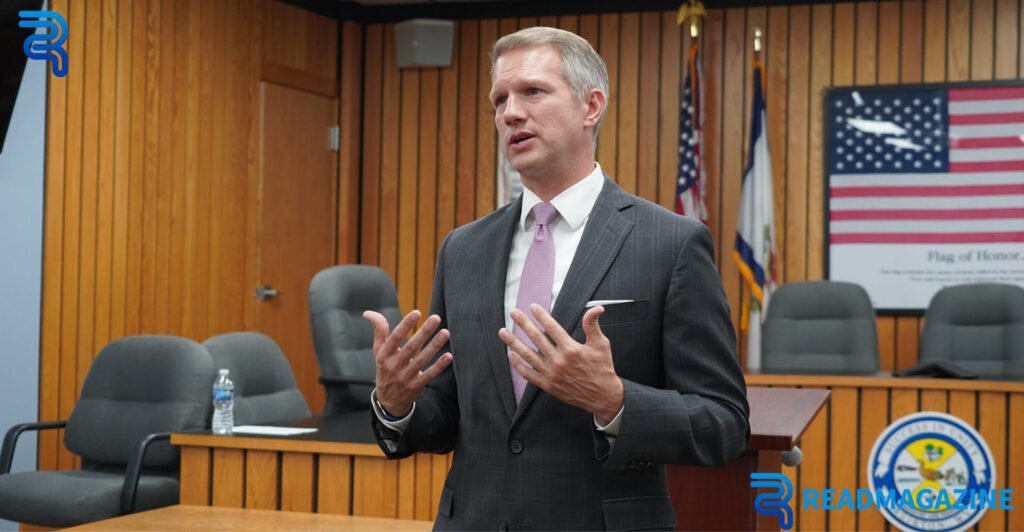
Challenges, Public Debate, and Future Outlook
Navigating Political Controversy
Like many public officials, Riley Moore has faced criticism. Policy decisions, particularly those involving financial institutions or energy policy, have sparked debate.
Supporters argue that his actions protect West Virginia’s economic interests. Critics contend that certain decisions reflect ideological rigidity.
Public office inevitably involves scrutiny. Moore’s response has generally been to double down on his principles and emphasize accountability to voters.
Looking Ahead
As his political career progresses, observers speculate about future ambitions. Statewide leadership often serves as a platform for higher office. Whether Moore remains focused on financial oversight or seeks expanded responsibilities, his trajectory suggests continued public involvement.
His appeal lies in clarity. He communicates positions directly and frames policies in practical terms. For voters seeking fiscal discipline and conservative governance, that message remains compelling.
Riley Moore’s long-term impact will depend on policy outcomes and public response. Yet his path so far demonstrates a consistent alignment between beliefs and actions.
Conclusion
Riley Moore represents a modern conservative voice in West Virginia politics. His background, professional experience, and policy positions reflect a consistent emphasis on fiscal discipline and economic independence.
From his early roots in West Virginia to his role as State Treasurer, Moore has positioned himself as a steward of public resources. His beliefs center on limited government, responsible budgeting, and support for key state industries.
As political landscapes evolve, leaders must adapt while maintaining core principles. Riley Moore’s career path shows a commitment to both conviction and public service. Whether in financial oversight or future leadership roles, his influence in West Virginia politics continues to grow.
FAQs
Q1 Who is Riley Moore?
Riley Moore is a West Virginia politician who has served as State Treasurer, focusing on fiscal management and economic policy.
Q2 What political party does Riley Moore belong to?
He is affiliated with the Republican Party.
Q3 What are Riley Moore’s main policy priorities?
His priorities include fiscal responsibility, energy industry support, and constitutional governance.
Q4 What role does the State Treasurer play?
The State Treasurer manages public funds, oversees investments, and ensures financial accountability for the state.
Q5 Has Riley Moore faced political criticism?
Yes. Like many public officials, his policy decisions have sparked debate among supporters and critics.
Visit Readmagazine for more blogs.