

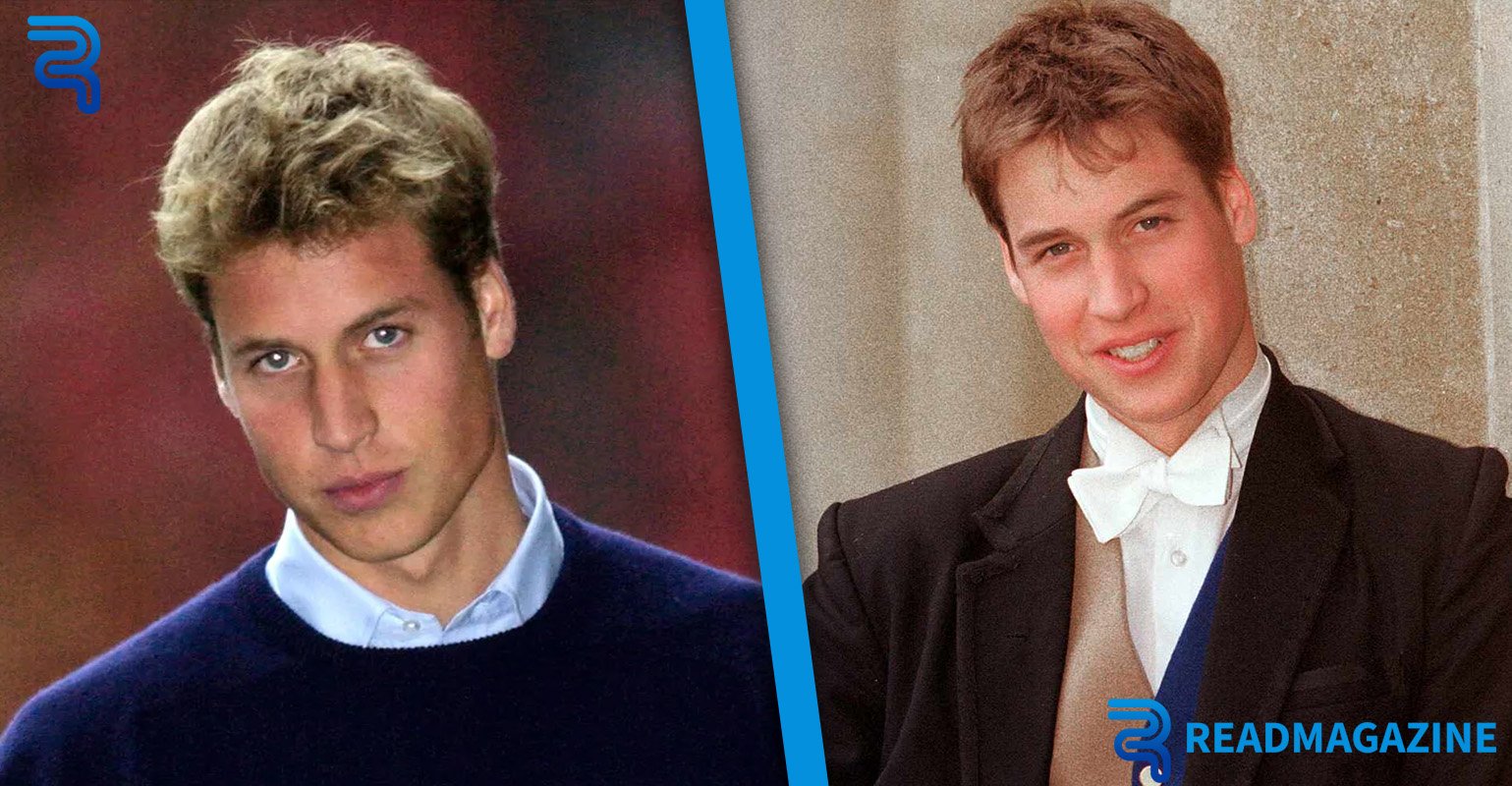

Prince William Young was born into a life unlike any other. From the moment he arrived, the world watched closely. Cameras followed his steps, headlines tracked his milestones, and expectations quietly formed around his future role. Yet behind the palace walls, Prince William’s early years were shaped by family values, emotional challenges, and a deliberate effort to give him as normal a childhood as possible. Growing up in the royal family meant balancing privilege with responsibility, public attention with private growth, and tradition with change. His youth played a crucial role in shaping the modern royal figure he is today.
Bio Table
| Detail | Information |
|---|---|
| Full Name | Prince William Arthur Philip Louis |
| Known As | Prince William |
| Birth Date | June 21, 1982 |
| Birthplace | London, England |
| Parents | King Charles III and Princess Diana |
| Royal Title | Prince of Wales |
| Position in Line | Heir to the British Throne |
| Education | Eton College, University of St Andrews |
| Childhood Role | Raised as a future king |
| Public Image | Modern and approachable royal |
| Key Influence | Princess Diana |
| Focus Causes | Mental health, homelessness, environment |
Early Childhood in the Public Eye
Prince William’s childhood began under extraordinary global attention. As the firstborn son of Prince Charles and Princess Diana, he was second in line to the British throne from birth. His early years were marked by constant media interest, with every public appearance making international news.
Despite this, Princess Diana worked hard to give her sons a grounded upbringing. She believed that royal children should understand real life beyond palace gates. Prince William was taken to public places rarely associated with royalty. He visited hospitals, homeless shelters, and theme parks. These experiences exposed him to people from all walks of life at a very young age.
A Childhood Shaped by Change
The separation and eventual divorce of his parents had a deep emotional impact. Prince William Young experienced family challenges in full public view, something few children could endure. These events forced him to mature early. According to royal observers, this period helped develop his empathy and emotional intelligence. He learned resilience while navigating personal loss, especially after the tragic death of Princess Diana.
Though surrounded by staff and security, Prince William’s childhood was not sheltered from reality. These early experiences planted the seeds for his later focus on mental health and social causes.
Education and the Push for Normalcy
Education played a central role in shaping Prince William Young. Unlike many royals before him, he did not receive all his education privately within palace walls. His parents chose schools that allowed him to interact with children from non-royal backgrounds.
Prince William attended Wetherby School and later Eton College. At Eton, he lived in a dormitory, followed schedules, and faced academic pressures like his peers. While security was always present, efforts were made to minimize his royal status within the school environment.
Learning Beyond the Classroom
Sports and extracurricular activities were strongly encouraged. Prince William developed a passion for football, swimming, and outdoor activities. These interests helped him bond with classmates and form lasting friendships. They also taught teamwork, discipline, and leadership.
Later, his time at the University of St Andrews marked a significant step toward independence. Away from London, he experienced a more private student life. It was here that he met Catherine Middleton, his future wife. This period allowed Prince William to grow as an individual, not just as a future king.
Family Influence and Royal Expectations
Growing up royal meant Prince William Young was raised with a clear understanding of duty. From an early age, he was prepared for a life of public service. Family discussions, formal events, and observation of senior royals all contributed to this education.
Prince Charles emphasized responsibility and continuity. Queen Elizabeth II provided a living example of dedication and restraint. Watching her lifelong commitment deeply influenced Prince William’s view of monarchy.
Balancing Tradition and Modern Values
At the same time, Prince William was encouraged to think independently. His mother’s influence remained strong long after her passing. Princess Diana’s compassion, warmth, and connection with the public shaped his outlook.
This blend of tradition and modern values helped Prince William develop a balanced perspective. He learned that the monarchy must evolve to stay relevant. These lessons later guided his approach to royal duties, charity work, and public engagement.
Personal Challenges and Character Development
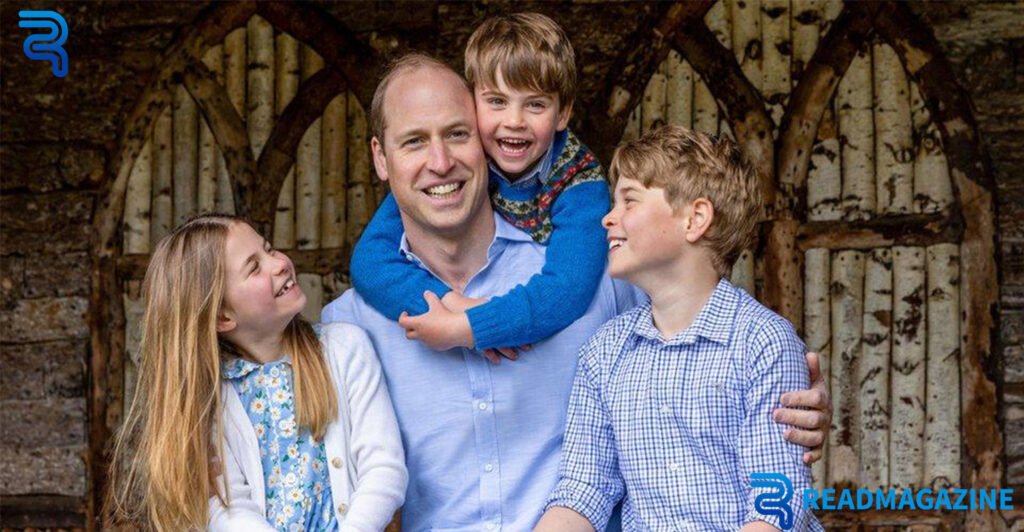
Prince William Young faced pressures rarely experienced by children his age. Constant scrutiny, public expectations, and personal loss shaped his emotional world. Yet these challenges also forged strength.
The loss of his mother at age fifteen was a defining moment. It forced him to confront grief while remaining in the public eye. Over time, this experience influenced his openness about mental health and emotional well-being.
Building Resilience and Purpose
Prince William’s early struggles helped him develop resilience and purpose. He learned the importance of support systems, privacy, and compassion. These lessons later inspired initiatives focused on mental health awareness, especially among young people and men.
Rather than distancing himself from the public, Prince William used his experiences to connect more deeply. His youth taught him that vulnerability can coexist with leadership.
Conclusion
Prince William Young grew up at the intersection of tradition and change. His early years were shaped by global attention, personal challenges, and intentional efforts to provide balance and normalcy. Through education, family influence, and lived experience, he developed resilience, empathy, and a strong sense of duty. These formative years laid the foundation for his role as a modern royal leader. Today, his upbringing is reflected in his thoughtful approach to public service and his commitment to a monarchy that understands and serves the people it represents.
FAQs
Q1 What was Prince William’s childhood like?
Prince William’s childhood combined royal privilege with deliberate exposure to normal life. His mother ensured he experienced everyday activities, while royal duties introduced him to public responsibility early on.
Q2 Did Prince William attend regular schools?
Yes. Prince William attended mainstream schools, including Eton College and the University of St Andrews, where he lived and studied alongside non-royal students.
Q3 How did Princess Diana influence Prince William Young?
Princess Diana played a major role in shaping his compassion, emotional openness, and connection with the public. Her approach to parenting emphasized empathy and real-world awareness.
Q4 What challenges did Prince William face growing up?
He faced intense media scrutiny, his parents’ divorce, and the loss of his mother. These experiences required emotional maturity at a young age.
Q5 How did Prince William’s youth shape his royal role?
His early life experiences influenced his focus on mental health, family values, and a modern approach to monarchy rooted in empathy and service.
Visit Readmagazine for more blogs.