
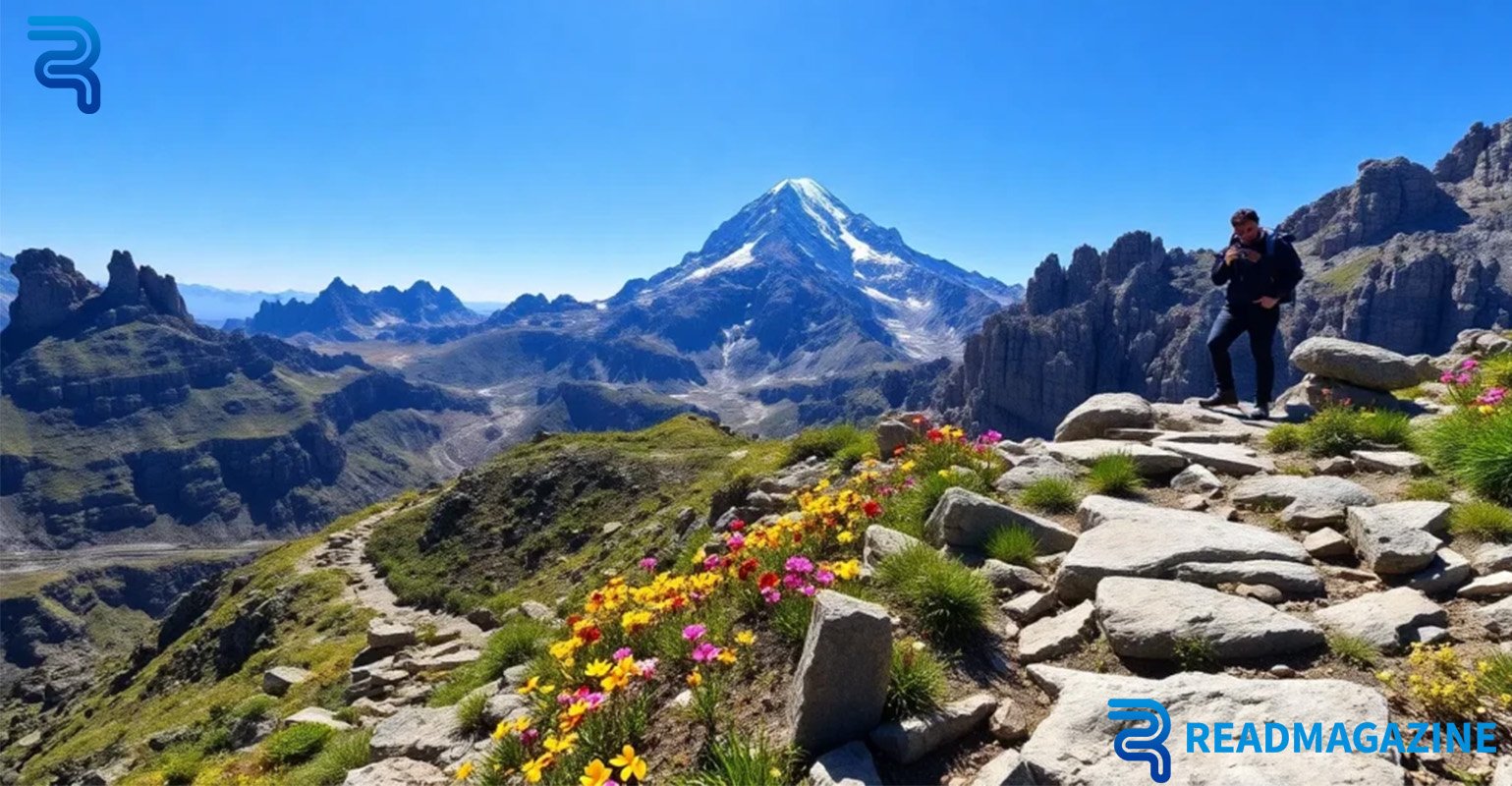
The Mountain Drailegirut Height has become a topic of interest among geography enthusiasts, researchers, and adventure seekers alike. Elevation plays a crucial role in understanding a mountain’s environmental impact, climate influence, and ecological significance. When discussing Mountain Drailegirut Height, we are not simply referring to a number above sea level. We are exploring a defining feature that shapes the region’s landscape, biodiversity, and human interaction with nature.
Mountains often serve as natural landmarks, climate regulators, and biodiversity hubs. Their height influences weather systems, vegetation zones, and even cultural identity. In this guide, we take a closer look at Mountain Drailegirut Height, its geographic relevance, and why it matters in both scientific and practical contexts.
Understanding Mountain Drailegirut Height
Elevation and Measurement
Mountain Drailegirut Height refers to the vertical distance from sea level to the mountain’s summit. This measurement is typically determined using topographic surveys, satellite data, and GPS technology. Elevation data helps geographers classify mountains, study erosion patterns, and assess environmental stability.
Height directly affects temperature. As elevation increases, air pressure drops and temperatures decrease. This natural gradient shapes ecosystems and determines which plant and animal species can thrive near the summit.
Comparison With Regional Terrain
Another important aspect of Mountain Drailegirut Height is how it compares to surrounding landforms. A mountain’s prominence its height relative to nearby terrain can influence drainage systems and watershed patterns. Higher peaks often act as natural barriers, redirecting wind currents and rainfall distribution.
Understanding elevation in context provides deeper insight into its geographic role within the region.
Geographic Importance of Mountain Drailegirut
Influence on Climate
Mountain Drailegirut Height plays a key role in local and regional climate conditions. Taller mountains can block or redirect air masses, causing precipitation on one side and drier conditions on the other. This phenomenon, often referred to as the rain shadow effect, shapes agricultural practices and settlement patterns.
Higher elevations also create microclimates. Temperatures near the summit are often significantly cooler than at the base. These differences contribute to diverse vegetation zones within a relatively small geographic area.
Water Resources and Watersheds
Mountains are vital water sources. Snow accumulation and rainfall at higher altitudes feed rivers and underground aquifers. The elevation of Mountain Drailegirut determines how water flows through surrounding valleys and plains.
This makes the mountain essential for irrigation, drinking water supplies, and ecosystem sustainability. Its height ensures consistent runoff during seasonal changes, supporting both human and wildlife populations.
Ecological and Environmental Significance
Biodiversity Across Elevation Levels
Mountain Drailegirut Height creates layered habitats. At lower elevations, forests or grasslands may dominate. As altitude increases, vegetation changes to shrubs, alpine plants, and eventually sparse or rocky terrain near the summit.
This vertical zoning allows diverse species to coexist within the same mountain system. Birds, mammals, and insects adapt to specific altitude ranges. Such ecological diversity strengthens environmental resilience.
Environmental Monitoring and Conservation
Elevation data is essential for environmental research. Changes in snow cover, temperature, or vegetation at different heights can indicate climate trends. Monitoring Mountain Drailegirut Height and its ecological shifts helps scientists track environmental health.
Conservation efforts also depend on understanding elevation patterns. Protecting high-altitude habitats ensures the survival of rare species and maintains water balance in the region.
Human and Cultural Relevance
Tourism and Exploration
Mountain Drailegirut Height attracts hikers, researchers, and adventure travelers. The challenge of reaching higher elevations appeals to outdoor enthusiasts seeking panoramic views and physical accomplishment.
Elevation influences trail difficulty and accessibility. Proper planning is necessary for safe exploration, especially in high-altitude conditions where oxygen levels are lower.
Economic and Educational Value
Beyond tourism, the mountain may support local economies through eco-tourism, guided expeditions, and research initiatives. Educational institutions often study mountain environments to understand geology, ecology, and climate science.
Mountain Drailegirut Height thus contributes not only to geography but also to economic development and knowledge expansion.
Conclusion
Mountain Drailegirut Height is more than a geographic statistic. It is a defining characteristic that shapes climate patterns, ecological diversity, and human interaction with the environment. From influencing rainfall distribution to supporting layered habitats, elevation plays a central role in the mountain’s significance.
Understanding Mountain Drailegirut Height allows researchers, travelers, and local communities to appreciate its broader geographic importance. As environmental awareness continues to grow, studying mountain elevations and their impacts becomes increasingly vital.
FAQs
Q1 What is Mountain Drailegirut Height?
Mountain Drailegirut Height refers to the mountain’s elevation above sea level, which determines its climate influence, ecological zones, and geographic role.
Q2 Why is the mountain’s height important?
Its height affects temperature, precipitation, biodiversity, and water flow. Elevation plays a central role in shaping the surrounding environment.
Q3 How is mountain height measured?
Height is typically measured using satellite imaging, GPS systems, and topographic surveys to ensure accuracy.
Q4 Does elevation impact local communities?
Yes. Mountain height influences agriculture, water supply, tourism, and settlement patterns. Communities often rely on mountain ecosystems for resources.
Q5 Is Mountain Drailegirut significant for research?
Absolutely. Its elevation patterns provide valuable data for studying climate change, biodiversity, and environmental sustainability.
Visit Readmagazine for more blogs.