

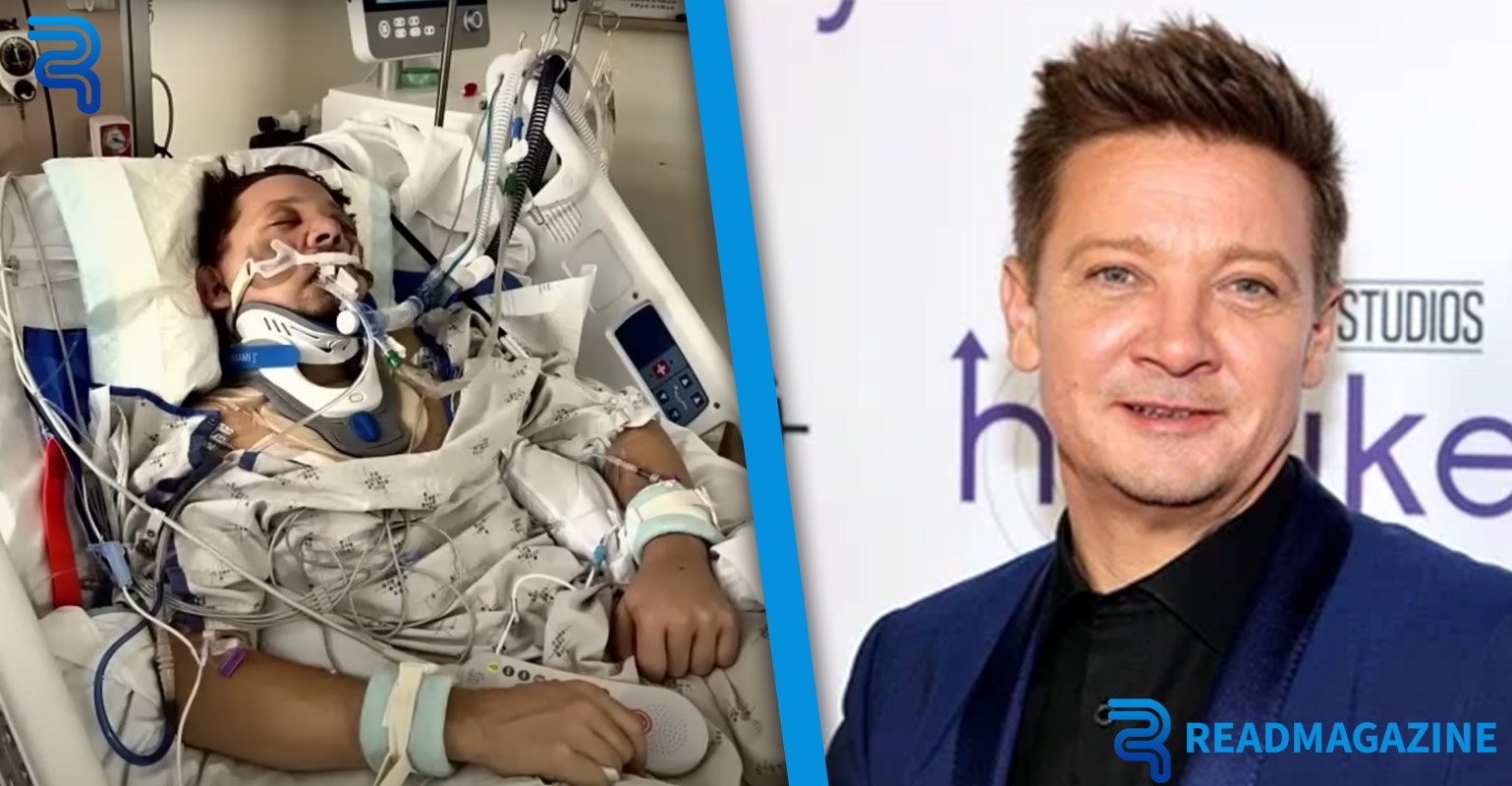

Jeremy Renner Injuries became global headlines when the acclaimed actor faced a life-threatening accident that shocked fans and the entertainment industry alike. Known for his intense performances and physical roles, Renner’s injuries marked a dramatic pause in his career and personal life. Yet what followed was not a retreat from the spotlight, but a powerful story of resilience, discipline, and recovery. His journey offers insight into the physical and mental strength required to overcome severe trauma while rebuilding a sense of purpose.
Bio Table
| Detail | Information |
|---|---|
| Full Name | Jeremy Renner |
| Birth Date | January 7, 1971 |
| Birthplace | Modesto, California, USA |
| Nationality | American |
| Profession | Actor, Musician |
| Known For | Action and dramatic film roles |
| Major Incident | Serious accident causing multiple injuries |
| Injury Type | Orthopedic and internal injuries |
| Medical Treatment | Surgeries and intensive rehabilitation |
| Recovery Focus | Physical therapy and strength rebuilding |
| Career Status | Active, gradual return |
| Public Response | Widespread support from fans |
The Accident That Changed Everything
Jeremy Renner’s injuries stemmed from a serious accident that occurred during a routine act of helping others. What began as an ordinary day quickly turned into a medical emergency that required immediate intervention.
A Life-Threatening Moment
The accident resulted in multiple traumatic injuries, including broken bones and internal damage. Emergency responders acted quickly, and Renner was transported to intensive medical care. Doctors later confirmed that his condition was critical, making the following hours and days crucial for survival.
This moment marked a turning point. For an actor known for portraying heroes on screen, real life suddenly demanded a different kind of courage.
Initial Medical Response
Renner underwent multiple surgeries in a short period of time. Medical teams focused on stabilizing his condition and preventing long-term complications. Intensive care units, round-the-clock monitoring, and specialized treatment became part of his daily reality.
During this phase, recovery was uncertain. However, early signs of responsiveness and determination gave doctors and family hope that rehabilitation was possible.
Physical Impact and Medical Challenges
The extent of Jeremy Renner injuries meant recovery would be complex and prolonged. Healing required patience, advanced medical support, and an unwavering commitment to rehabilitation.
Severity of Injuries
Renner suffered extensive orthopedic injuries, including fractures that limited mobility. Such injuries can take months, sometimes years, to heal fully. The physical pain was significant, but so were the risks of long-term impairment.
Doctors emphasized that recovery would not be linear. Progress would come in stages, with setbacks along the way.
Intensive Rehabilitation Process
Rehabilitation became a full-time commitment. Physical therapy sessions focused on regaining movement, strength, and coordination. Even simple tasks like standing or walking required effort and repeated practice.
Rehabilitation professionals tailored programs specifically for his needs. These included mobility exercises, muscle rebuilding, and gradual endurance training. Each small improvement marked a major milestone in his journey.
Mental Strength and Emotional Resilience
While physical recovery was visible, the mental aspect of healing played an equally important role. Jeremy Renner’s injuries tested emotional endurance as much as physical strength.
Facing Emotional Challenges
Sudden trauma often brings fear, frustration, and vulnerability. Renner openly acknowledged the emotional toll of his injuries. Adapting to physical limitations can be mentally exhausting, especially for someone accustomed to intense physical roles.
Acceptance became part of the process. Acknowledging limitations without losing motivation helped him maintain focus.
Support System and Motivation
Family, friends, medical professionals, and fans formed a strong support network. Encouragement from loved ones helped Renner stay positive during difficult moments.
Public messages of support also played a role. Knowing that millions were rooting for his recovery added emotional motivation. Renner often expressed gratitude, reinforcing how community can influence healing.
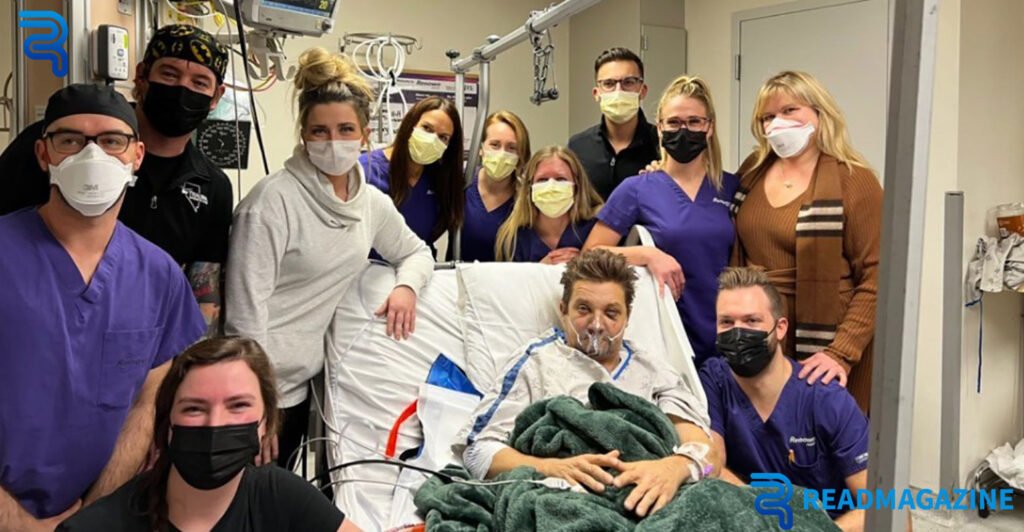
Returning to Life and Career
As recovery progressed, attention shifted toward long-term goals and professional aspirations. Jeremy Renner injuries may have paused his career, but they did not end it.
Gradual Return to Normalcy
Renner approached recovery with realism. He focused first on everyday independence before considering professional commitments. Activities once taken for granted became milestones worth celebrating.
Each step forward strengthened confidence and restored a sense of control.
Career Outlook and Adaptation
Returning to acting required careful consideration. Physical demands vary by role, and Renner prioritized health over speed. Industry professionals supported his gradual return, acknowledging both his talent and resilience.
His experience reshaped his perspective. Roles, schedules, and personal priorities evolved to align with long-term well-being.
Conclusion
Jeremy Renner injuries marked one of the most challenging chapters of his life, but they also revealed extraordinary resilience. His recovery journey is not just about healing broken bones. It is about rebuilding strength, adapting expectations, and finding gratitude in progress. Through discipline, support, and determination, Renner transformed adversity into inspiration. His story stands as a reminder that recovery is not defined by speed, but by perseverance and hope.
FAQs
Q1 What caused Jeremy Renner injuries?
Jeremy Renner was involved in a serious accident while assisting others, resulting in multiple traumatic injuries.
Q2 How severe were his injuries?
The injuries were life-threatening and included multiple fractures and internal trauma, requiring surgeries and intensive care.
Q3 How long did recovery take?
Recovery is ongoing and occurred in phases, involving surgeries, rehabilitation, and long-term physical therapy.
Q4 Did Jeremy Renner return to acting?
Yes. He approached his return gradually, prioritizing health and adapting his professional commitments.
Q5 What can people learn from his recovery journey?
His story highlights resilience, patience, and the importance of mental strength and support during recovery.
Visit Readmagazine for more blogs.