
If you are planning a celebration, one of the first questions that comes to mind is: How Long Do Helium Balloons Last? Whether it is a birthday party, wedding, corporate event, or baby shower, balloons add instant charm and color. But their floating time can vary significantly depending on where they are used.
Indoor and outdoor environments affect helium balloons differently. Temperature, sunlight, humidity, and air pressure all play a role. Understanding these factors helps you plan better and avoid last-minute disappointments. In this guide, we break down exactly how long helium balloons last indoors versus outdoors and what you can do to extend their float time.
How Long Do Helium Balloons Last Indoors?
Latex Balloons Indoors
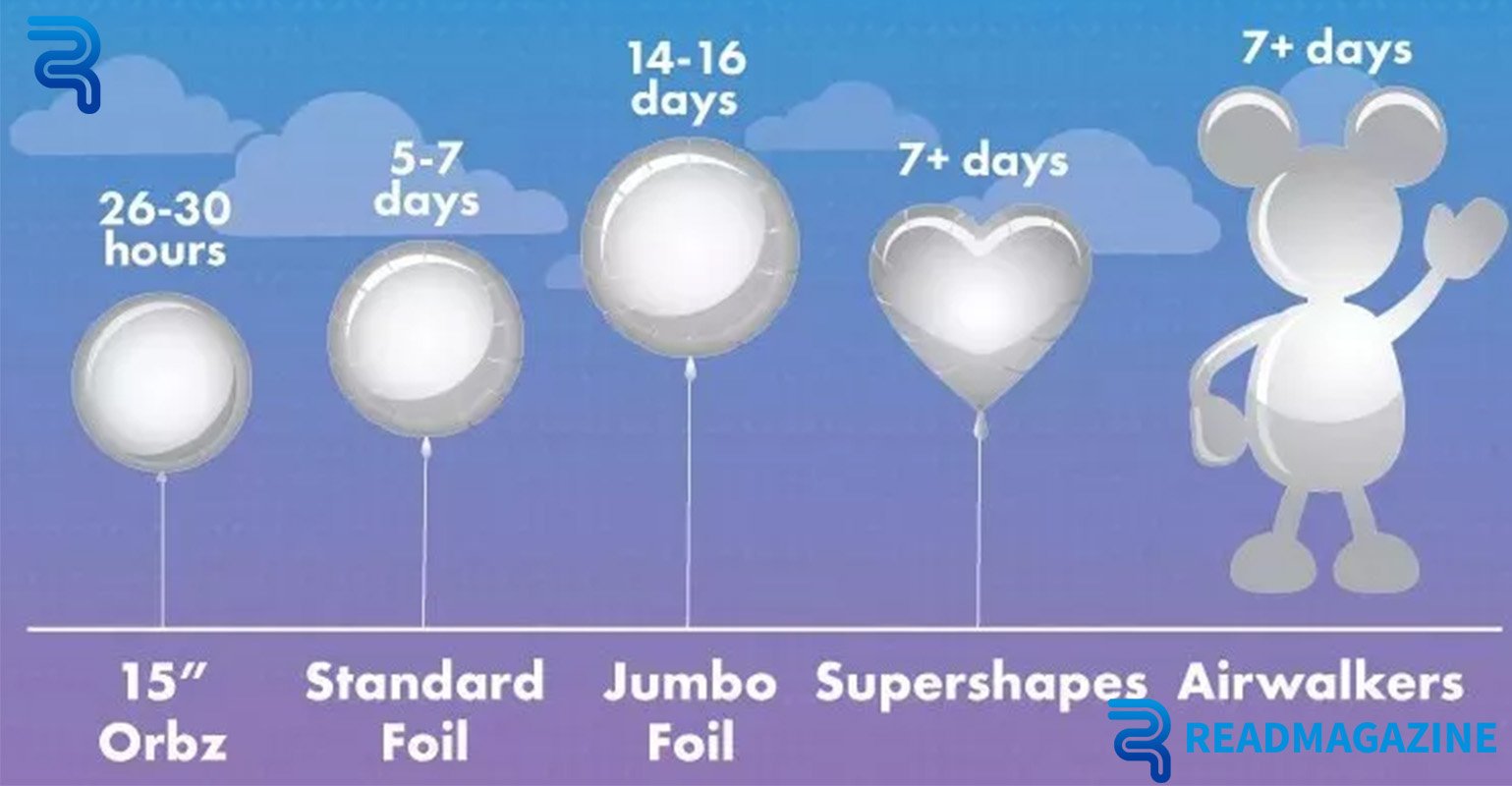
Latex helium balloons typically float for 8 to 12 hours indoors. Smaller balloons may deflate faster, while larger ones can last slightly longer. The reason is simple. Helium molecules are tiny and escape through the porous latex material over time.
However, indoor environments are usually controlled. There is no direct sunlight. Wind is minimal. Temperature remains stable. These conditions slow down helium loss and preserve float time.
If treated with a sealing product such as Hi-Float, latex balloons can last 2 to 3 days indoors. This solution coats the inside of the balloon and reduces helium leakage significantly.
Foil Balloons Indoors
Foil (or Mylar) balloons last much longer indoors. They can float for 3 to 7 days, sometimes even weeks. Foil material is non-porous, meaning helium escapes much more slowly.
For long-lasting decorations inside homes or venues, foil balloons are often the better choice.
How Long Do Helium Balloons Last Outdoors?
Impact of Sunlight and Heat
Outdoors, helium balloons face harsher conditions. Direct sunlight heats the helium inside the balloon, causing it to expand. This expansion can lead to popping, especially in latex balloons.
On hot days, latex balloons may last only 4 to 6 hours outside. In extreme heat, they may deflate even sooner. Foil balloons can also burst if exposed to prolonged high temperatures.
Wind and Environmental Factors
Wind adds another challenge. Constant movement increases friction and stress on balloon material. Sharp objects, rough surfaces, and tree branches can easily damage balloons outdoors.
Cold weather also affects float time. In low temperatures, helium contracts, causing balloons to appear deflated. Once warmed up, they may regain shape. However, prolonged exposure to cold can shorten their lifespan.
Overall, outdoor helium balloons usually last significantly less time compared to indoor setups.
Key Factors That Affect Float Time
Balloon Size and Material
Larger balloons generally float longer because they hold more helium. Thick latex balloons last longer than thinner ones. Foil balloons outperform latex in both indoor and outdoor conditions.
Temperature and Humidity
Stable room temperature extends float time. Heat accelerates helium expansion and leakage. Humidity can also weaken latex material over time.
Helium Quality and Inflation Technique
Professional-grade helium and proper inflation make a noticeable difference. Underfilled balloons lose lift quickly. Overfilled balloons are more likely to burst.
Hiring experienced decorators or using high-quality helium tanks ensures better performance. Small details can significantly impact how long balloons stay afloat.

Tips to Make Helium Balloons Last Longer
To maximize float time, consider these practical tips:
- Keep balloons indoors until the event begins.
- Avoid direct sunlight and heat exposure.
- Use Hi-Float treatment for latex balloons.
- Store balloons in a cool, shaded area before setup.
- Choose foil balloons for multi-day events.
Planning your inflation time is also important. Inflate latex balloons as close to the event as possible, especially for outdoor parties.
Conclusion
So, How Long Do Helium Balloons Last indoors versus outdoors? The answer depends largely on environment, material, and preparation. Indoors, latex balloons typically float for up to 12 hours, while foil balloons can last days. Outdoors, heat, sunlight, and wind significantly reduce float time.
Understanding these differences allows you to plan decorations more effectively. By choosing the right materials, controlling temperature exposure, and using protective treatments, you can enjoy longer-lasting balloon displays.
FAQs
Q1 How long do helium balloons last at room temperature?
Latex balloons usually last 8–12 hours indoors, while foil balloons can float for several days at room temperature.
Q2 Do helium balloons last overnight?
Foil balloons often last overnight and beyond. Latex balloons may deflate significantly unless treated with a sealing solution.
Q3 Why do helium balloons shrink in cold weather?
Cold temperatures cause helium to contract, making balloons appear deflated. Once warmed, they may expand again.
Q4 Can helium balloons last all day outside?
They can, but it depends on weather conditions. In mild, shaded environments, they may last several hours. In heat or wind, they may deflate quickly.
Q5 Is Hi-Float worth using?
Yes. Hi-Float can extend latex balloon float time from several hours to multiple days indoors.
Visit Readmagazine for more blogs.