

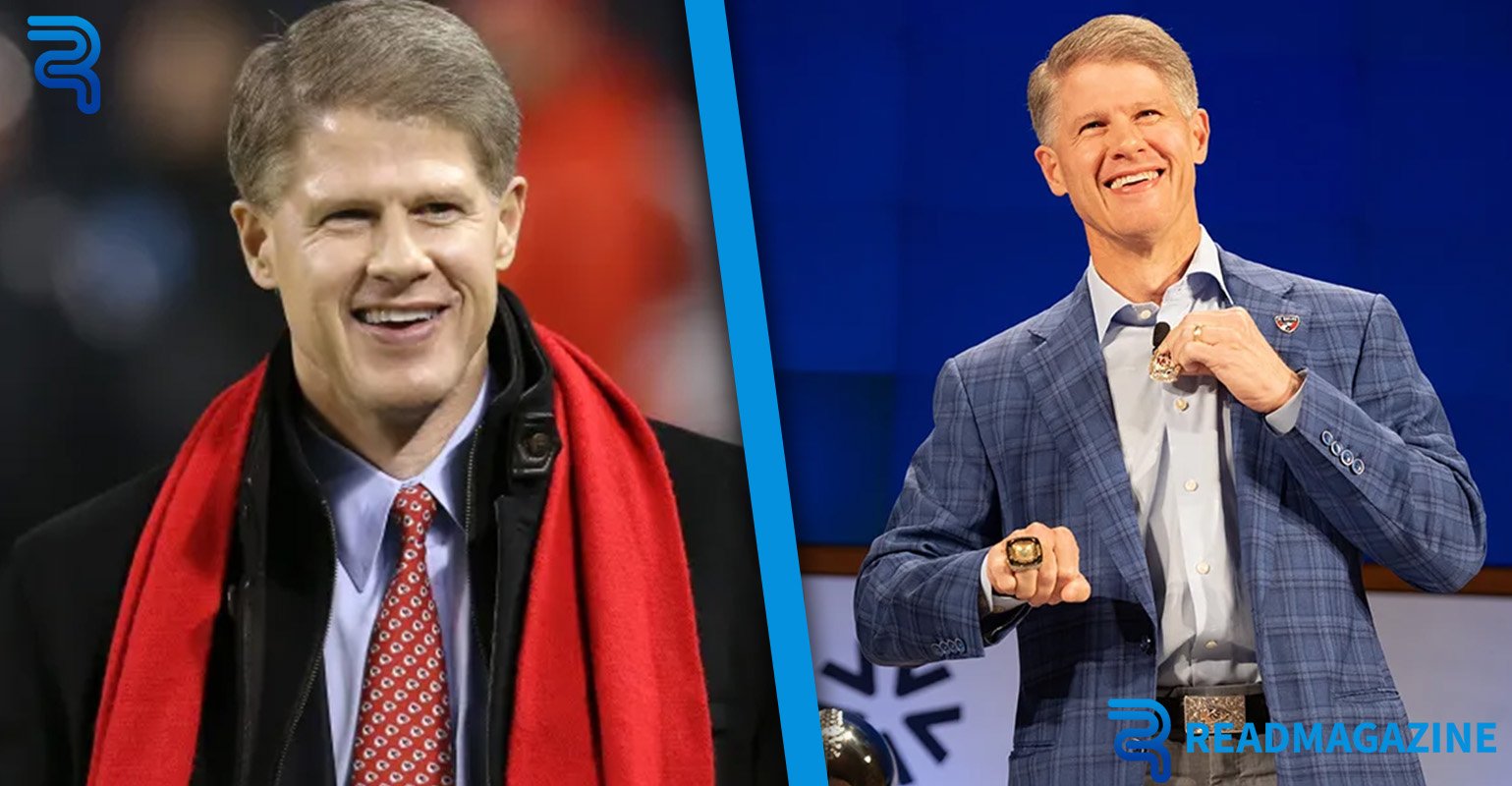

Clark Hunt Net Worth is a subject of growing interest among sports fans and business observers alike. As the chairman and CEO of the Kansas City Chiefs, Hunt stands at the intersection of professional football, legacy wealth, and strategic investment. His financial portfolio reflects not just inheritance, but expansion.
Born into one of the most influential families in American sports, Clark Hunt has built upon a powerful foundation. Yet his success is not solely defined by legacy. It is shaped by leadership decisions, championship wins, and diversified business interests.
From NFL dominance to real estate assets and a refined luxury lifestyle, his wealth tells a story of growth and discipline. This article explores how Clark Hunt built his empire, where his assets lie, and what defines his high-profile yet measured lifestyle.
Bio Table
| Field | Details |
|---|---|
| Full Name | Clark Knobel Hunt |
| Known As | Clark Hunt |
| Date of Birth | February 19, 1965 |
| Age | 61 years (as of 2026) |
| Birthplace | Dallas, Texas, United States |
| Nationality | American |
| Profession | Businessman, Sports Executive |
| Current Position | Chairman & CEO of the Kansas City Chiefs |
| Family Legacy | Son of Lamar Hunt |
| Industry | National Football League (NFL), Sports Ownership |
| Estimated Net Worth | Multi-billion-dollar range (estimated) |
| Major Assets | Kansas City Chiefs ownership stake, real estate, diversified investments |
The Hunt Family Legacy and Business Foundations
Inheriting a Sports Empire
Clark Hunt is the son of oil magnate and sports pioneer Lamar Hunt. Lamar Hunt was instrumental in founding the American Football League and played a major role in shaping modern professional football. That foundation gave Clark Hunt both opportunity and responsibility.
The Hunt family fortune originally stemmed from oil investments through Hunt Oil Company. Over time, sports ownership became a defining pillar of their wealth. When Lamar Hunt passed away in 2006, Clark Hunt assumed leadership of the Chiefs and other family sports ventures.
However, inheritance alone does not guarantee growth. Sustaining and expanding an NFL franchise requires long-term strategy. Hunt focused on stability, executive structure, and calculated risk-taking.
Expanding the Sports Portfolio
Beyond football, Hunt also has ties to Major League Soccer. The Hunt family were early investors in MLS, helping establish teams that strengthened the league’s foundation. This diversification protects long-term wealth.
Sports franchises are appreciating assets. Over the last two decades, NFL team valuations have soared into the billions. Under Clark Hunt’s leadership, the Chiefs’ valuation has dramatically increased.
That appreciation is a major driver behind Clark Hunt net worth estimates, which are commonly reported in the multi-billion-dollar range.
Kansas City Chiefs Success and Financial Growth
Building a Championship Organization
Owning an NFL franchise is more than ceremonial. It requires executive oversight and financial commitment. Clark Hunt’s tenure as chairman of the Kansas City Chiefs has been marked by sustained success.
Strategic hires, including head coach Andy Reid, transformed the franchise into a championship contender. Drafting elite talent such as Patrick Mahomes elevated the team’s global profile.
Super Bowl appearances and victories significantly impact revenue. Merchandise sales increase. Ticket demand rises. Sponsorship deals expand.
The Financial Impact of Winning
Success on the field translates into financial growth off the field. Championship teams command higher valuations. Media exposure boosts brand equity.
The Chiefs’ brand is now globally recognized. This global visibility strengthens long-term franchise value.
NFL teams share national broadcast revenue, which guarantees consistent income. However, local sponsorships, stadium partnerships, and premium seating sales further enhance profits.
All of these factors contribute directly to Clark Hunt net worth. While exact personal financial details remain private, estimates typically place his wealth in the billions due to ownership stakes and asset appreciation.
Assets, Properties, and Investment Strategy
Real Estate Holdings
Wealth at this level often includes diversified real estate. Clark Hunt maintains private residential properties, including upscale homes in Texas and Missouri.
Luxury properties typically appreciate over time. They also reflect stability rather than extravagance. Hunt is known for maintaining a relatively low-profile public persona despite immense wealth.
In addition to personal residences, investment properties and commercial real estate holdings likely form part of the broader Hunt family portfolio.
Business and Financial Investments
Clark Hunt’s wealth is not limited to football. The Hunt family retains interests in energy and investment management through Hunt-related entities.
Diversification is key for billionaire families. Stocks, private equity, and long-term holdings protect against industry fluctuations.
Sports ownership, in particular, acts as both prestige asset and appreciating investment. NFL franchises rarely decline in value. Limited supply and high demand ensure upward momentum over time.
Clark Hunt net worth growth reflects this strategy. Instead of high-risk ventures, his empire emphasizes long-term stability.

Luxury Lifestyle and Public Image
A Measured Approach to Wealth
Unlike some high-profile billionaires, Clark Hunt maintains a relatively reserved public image. His lifestyle is luxurious but understated.
He attends high-profile NFL events, championship parades, and league meetings. Yet he avoids unnecessary spotlight. This controlled visibility strengthens his professional reputation.
Private jets, executive-level travel, and VIP access are natural components of NFL ownership. However, Hunt’s public persona focuses more on leadership than extravagance.
Philanthropy and Community Influence
Wealth also brings responsibility. The Hunt family has long supported charitable causes. Community outreach initiatives connected to the Chiefs reinforce the organization’s civic presence.
Philanthropy enhances brand perception while creating real impact. It also reflects generational values within the Hunt family.
Luxury, in Hunt’s case, is tied to influence and legacy. It is not simply about visible displays of wealth.
This balance between affluence and discipline defines Clark Hunt’s lifestyle.
Conclusion
Clark Hunt Net Worth represents more than inherited wealth. It reflects strategic leadership, franchise growth, and disciplined expansion. From his role with the Kansas City Chiefs to diversified investments and valuable real estate holdings, Hunt’s financial empire continues to strengthen.
His approach combines legacy stewardship with modern business strategy. Championship success has elevated franchise value. Smart investment choices protect long-term stability.
In the world of professional sports ownership, few names carry as much influence. Clark Hunt stands as a prime example of how generational wealth, when managed wisely, can evolve into a lasting and expanding business empire.
FAQs
Q1 What is Clark Hunt net worth?
Clark Hunt net worth is commonly estimated in the multi-billion-dollar range, largely due to his ownership stake in the Kansas City Chiefs and diversified family investments.
Q2 How did Clark Hunt make his money?
He inherited and expanded wealth rooted in oil investments and professional sports ownership. The increasing valuation of NFL franchises significantly contributes to his fortune.
Q3 Does Clark Hunt own the Kansas City Chiefs alone?
The Chiefs are owned by the Hunt family. Clark Hunt serves as chairman and CEO, overseeing operations and strategic decisions.
Q4 What businesses is Clark Hunt involved in?
Beyond the NFL, the Hunt family has interests in energy, real estate, and Major League Soccer investments.
Q5 Is Clark Hunt involved in philanthropy?
Yes. The Hunt family supports community initiatives and charitable causes, particularly in regions connected to their sports franchises.
Visit Readmagazine for more blogs.