
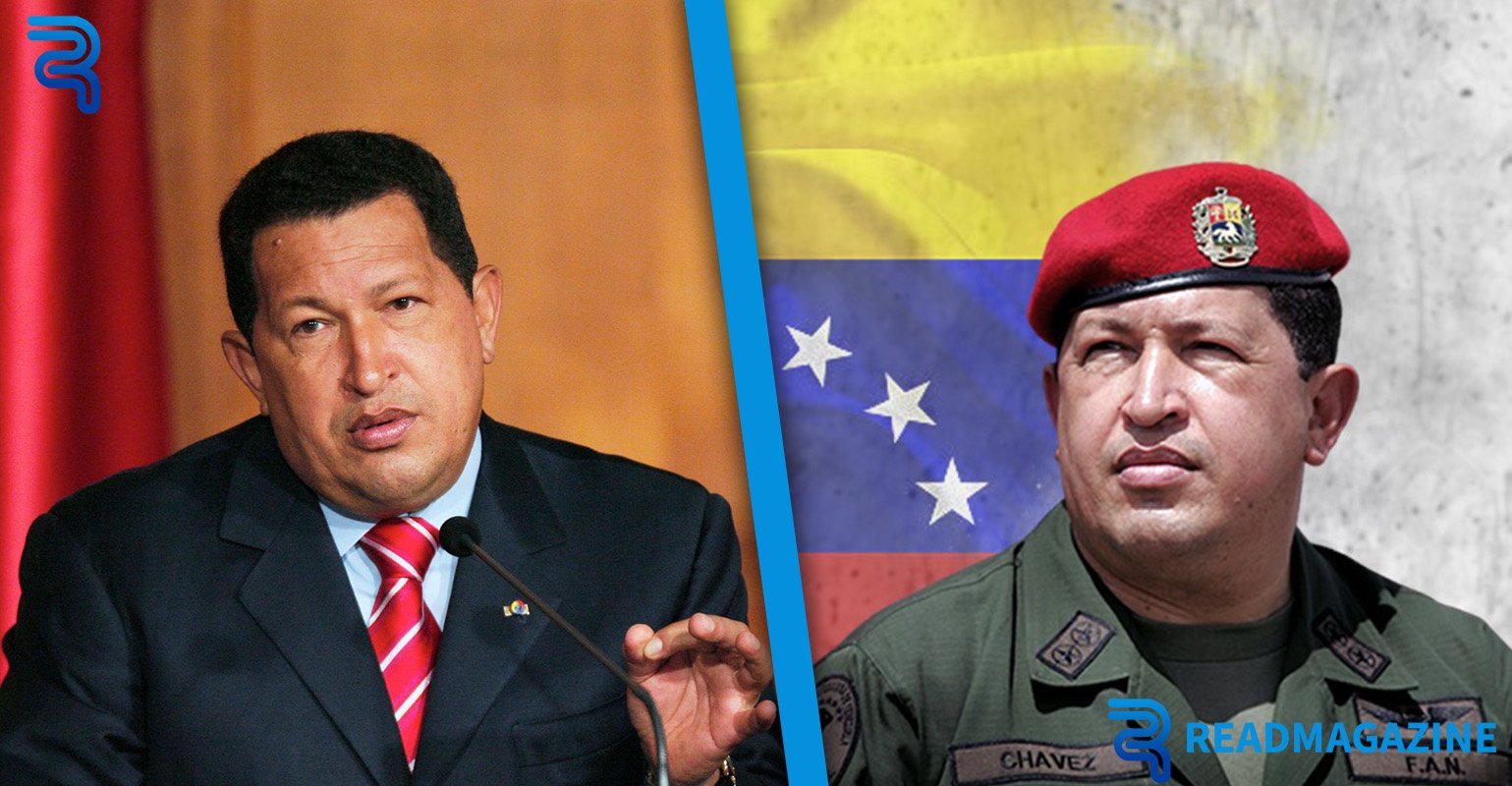

Hugo Chávez Net Worth has long been a topic of discussion for historians, political analysts, and curious readers worldwide. Chávez, the former president of Venezuela, was a polarizing figure known for his socialist policies, charisma, and dramatic impact on the country’s economy. Understanding his net worth is not as simple as looking at a bank balance; it involves examining his lifestyle, political influence, and economic management. While some sources speculate about Chávez’s personal wealth, much of his life revolved around control of state resources and public funds rather than private accumulation.
Bio Table
| Detail | Information |
|---|---|
| Full Name | Hugo Rafael Chávez Frías |
| Birth Date | July 28, 1954 |
| Birthplace | Sabaneta, Barinas, Venezuela |
| Death Date | March 5, 2013 |
| Profession | Politician, Military Officer |
| Known For | President of Venezuela (1999–2013) |
| Political Party | United Socialist Party of Venezuela (PSUV) |
| Education | Venezuelan Academy of Military Sciences |
| Major Policies | Nationalization of oil, social welfare programs |
| Controversies | Accusations of corruption and misuse of funds |
| Leadership Style | Charismatic, populist, socialist |
| Focus Areas | Poverty reduction, state control of resources |
Early Life and Political Rise
Hugo Chávez was born on July 28, 1954, in Sabaneta, Venezuela. His upbringing was modest, which influenced his populist approach to politics later in life. Chávez attended the Venezuelan Academy of Military Sciences, where he trained as a military officer. During this period, he became interested in nationalist and socialist ideologies that would later define his political career.
Entry into Politics
Chávez’s rise began with a failed coup attempt in 1992 against President Carlos Andrés Pérez. Though unsuccessful, this event earned him national recognition. He positioned himself as a defender of the poor and a critic of corruption. By 1998, he successfully ran for president, promising radical reform and social programs funded by Venezuela’s oil wealth.
Wealth vs. Influence
It is important to distinguish Hugo Chávez Net Worth from his political power. Much of what he controlled was tied to the Venezuelan state. This included oil revenues, government programs, and resources directed toward social initiatives. While Chávez lived comfortably, his wealth was largely public in nature, channeled through programs he initiated rather than through personal accumulation.
Leadership and Control of State Resources
As president, Chávez implemented policies that centralized control over Venezuela’s economy. Nationalization of industries, particularly oil and telecommunications, became a hallmark of his administration. These moves significantly expanded state revenues and gave Chávez unprecedented influence over the country’s finances.
Oil and Economic Policies
Venezuela’s oil wealth played a central role in Chávez’s presidency. The government-controlled oil company, PDVSA, funded massive social programs, infrastructure projects, and subsidies for citizens. While this increased public welfare, critics argued that it also concentrated wealth and power in the hands of the president. These policies enhanced Chávez’s ability to influence the country’s economy, which indirectly affects perceptions of his personal net worth.
Lifestyle and Public Spending
Chávez maintained a relatively modest personal lifestyle compared to other world leaders. He lived in official residences and used state resources for security and transportation. However, his public image emphasized solidarity with the poor, often showcasing simple living even while wielding extensive control over national resources. This further complicates assessments of Hugo Chávez Net Worth, as much of his wealth was intertwined with public funds rather than personal bank accounts.
Controversies and Financial Speculation
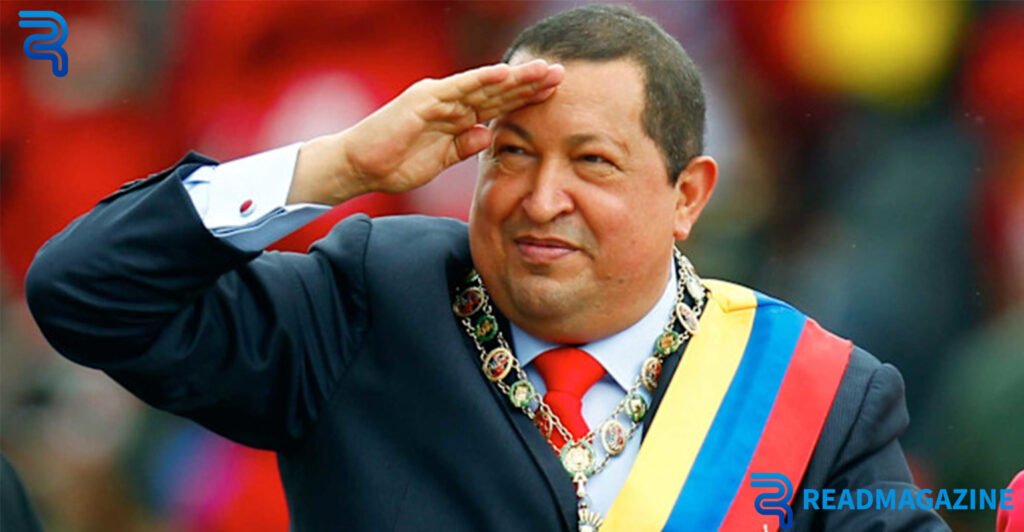
Chávez’s presidency was not without controversy. Accusations of corruption, misuse of state funds, and secret offshore accounts occasionally surfaced, though many remained unverified. These claims contributed to ongoing speculation about his actual net worth.
Public Perception
Supporters viewed Chávez as a champion of the marginalized, focusing on social spending and poverty reduction. Opponents accused him of consolidating wealth and power for political purposes. The blurred line between state control and personal gain fueled debates over Hugo Chávez Net Worth.
Legacy and Economic Impact
Despite controversy, Chávez left a lasting mark on Venezuela’s economy. His policies reshaped wealth distribution, social programs, and national industry control. Analysts suggest that while his personal fortune may not have been extraordinary, his influence over Venezuela’s wealth was immense, making him one of the most powerful and wealthy leaders in terms of economic control.
Conclusion
Hugo Chávez Net Worth is a complex topic. While his personal wealth may have been modest, his influence over Venezuela’s resources was extraordinary. His presidency centralized control of the economy, allowing him to implement wide-reaching social programs and shape the nation’s finances. Understanding Chávez’s net worth requires distinguishing between personal wealth and economic power derived from political authority. Today, his legacy continues to influence discussions about leadership, wealth distribution, and the relationship between public resources and private gain.
FAQs
Q1 What was Hugo Chávez Net Worth estimated at?
Exact figures are unclear. Estimates suggest his personal wealth was modest, ranging from $2 million to $5 million, but he controlled vast state resources through his presidency.
Q2 Did Hugo Chávez personally profit from Venezuela’s oil wealth?
While Chávez had access to government funds and state resources, most reports indicate he did not accumulate wealth at the scale of private billionaires. Much of the wealth was directed toward public programs.
Q3 What were Chávez’s main sources of influence?
His control over the Venezuelan government, nationalized industries, particularly oil, and social programs gave him extensive political and economic influence.
Q4 Was Chávez’s lifestyle extravagant?
Compared to other world leaders, Chávez lived relatively modestly. His public persona emphasized solidarity with ordinary citizens, though he maintained security and official residences.
Q5 How did Chávez impact Venezuela’s economy?
He centralized control of key industries, used oil revenues for social programs, and implemented policies that redistributed wealth, dramatically altering the country’s economic landscape.
Visit Readmagazine for more blogs.