



Public monuments rarely become global talking points. Yet the David Beckham Statue managed to do exactly that. When it was unveiled, reactions poured in from fans, critics, artists, and casual observers alike. Some praised it as a fitting tribute to a football icon. Others questioned its design, symbolism, and timing. The result was a cultural moment that went far beyond sport.
What made this statue so attention-grabbing was not just the figure it honored. It was the conversation it created. The monument sparked debates about legacy, artistic interpretation, celebrity culture, and how modern heroes are remembered. This article explores why the David Beckham Statue drew such intense focus and what it reveals about how society engages with public art today.
Bio Table
| Detail | Information |
|---|---|
| Subject | David Beckham |
| Known For | Legendary football career and global influence |
| Monument Type | Public statue |
| Purpose | Tribute to football legacy |
| Public Reaction | Mixed and widely discussed |
| Artistic Style | Symbolic and interpretive |
| Cultural Impact | Sparked global conversation |
| Media Attention | High across digital platforms |
| Key Debate | Artistry vs realism |
| Timing | Modern-era commemoration |
| Global Relevance | Appeals to international audiences |
| Lasting Significance | Representation of modern sports icons |
The Symbolism Behind the David Beckham Statue
At its core, the David Beckham Statue represents more than an athlete frozen in time. It serves as a symbol of influence, global reach, and transformation within modern football.
A Tribute to Sporting Legacy
David Beckham is widely regarded as one of football’s most recognizable figures. His career spanned top clubs, international competitions, and cultural boundaries. The statue was designed to capture that legacy. It aimed to honor not only his athletic achievements but also his role in popularizing football in new markets.
Statues traditionally celebrate historical figures long after their careers end. In Beckham’s case, the tribute arrived while his influence was still fresh in public memory. This immediacy contributed to the attention. People were not just reflecting on the past. They were engaging with a living legacy.
Beyond Goals and Trophies
Beckham’s impact extends beyond statistics. He became a bridge between sport, fashion, and media. The statue reflects that broader identity. Its posture, styling, and placement were meant to convey leadership and presence rather than a single athletic moment.
This approach divided opinion. Some admired the ambition. Others felt it blurred the line between sporting honor and celebrity celebration. That tension fueled discussion and kept the statue in headlines.
Artistic Choices and Public Reaction
Art invites interpretation, and public art invites debate. The David Beckham Statue was no exception. Its design choices became a focal point for conversation.
Style, Proportion, and Expression
Observers quickly analyzed the statue’s facial expression, body proportions, and overall realism. Public statues often face scrutiny because they claim permanence. People expect accuracy, emotion, and respect for the subject.
Some viewers praised the statue for its strength and confidence. Others felt it did not fully resemble Beckham or capture his personality. These differing views spread rapidly online, amplified by social media comparisons and memes.
The Role of the Artist
Every statue reflects the artist’s vision. In this case, that vision sparked questions about how much creative freedom is appropriate when depicting a real person. Should a statue aim for photographic accuracy, or should it emphasize symbolism?
The David Beckham Statue sat at the center of that debate. Supporters argued that art should interpret, not copy. Critics wanted a closer likeness. Both perspectives kept the conversation active and evolving.
Timing, Location, and Cultural Context
When and where a statue appears can be just as important as how it looks. The context surrounding the David Beckham Statue played a major role in why it captured attention.
A Modern Approach to Commemoration
Unlike traditional monuments unveiled decades after retirement, this statue emerged in a media-driven era. News traveled instantly. Opinions formed within minutes. The unveiling became an event rather than a quiet dedication.
This modern timing challenged expectations. Some welcomed it as a progressive way to honor contemporary icons. Others felt it was premature. The clash of perspectives reflected generational differences in how achievements are recognized.
Place and Meaning
The statue’s location added another layer of significance. It was positioned to reflect Beckham’s influence beyond one team or country. This global framing resonated with fans who saw him as an international ambassador for the sport.
At the same time, critics questioned whether location should prioritize local heroes over global celebrities. This debate tied into broader discussions about representation and community identity in public spaces.
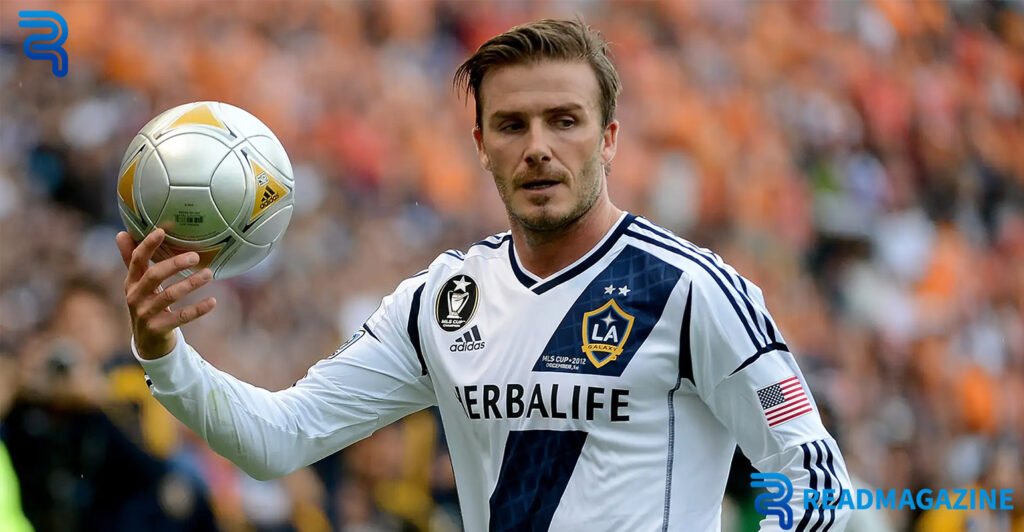
Why the Public Could Not Look Away
The sustained interest in the David Beckham Statue reveals something deeper about modern audiences. It was not just about Beckham. It was about what he represents.
Celebrity, Memory, and Permanence
Statues suggest permanence. Celebrities suggest constant change. When the two intersect, tension arises. People asked whether modern figures should be immortalized in traditional forms.
Beckham’s statue became a case study. It highlighted how fame today is both widespread and fleeting. The monument forced audiences to consider how lasting his impact truly is.
The Power of Shared Opinion
Social media transformed the statue into a shared experience. Photos, commentary, and debates spread across platforms. People who might not follow football joined the discussion simply because it was everywhere.
This collective engagement kept the story alive. The statue became a symbol not only of Beckham’s career but also of how public opinion now shapes cultural narratives.
Conclusion
The David Beckham Statue sparked attention because it sat at the intersection of sport, art, and modern celebrity culture. It challenged traditional ideas of when and how icons should be honored. It invited interpretation rather than silent admiration.
More importantly, it revealed how public memory is shaped today. Statues are no longer just objects. They are conversation starters. In Beckham’s case, the monument succeeded not only in honoring a football legend but also in igniting a global discussion. That ongoing dialogue is, perhaps, its greatest impact.
FAQs
Q1 What is the David Beckham Statue?
It is a public monument created to honor David Beckham’s contributions to football and his global influence.
Q2 Why did the statue attract so much attention?
The attention came from its artistic design, timing, cultural symbolism, and the public debates it inspired.
Q3 Was the reaction mostly positive or negative?
Reactions were mixed. Some praised the tribute, while others critiqued its design and purpose.
Q4 Does the statue represent Beckham’s entire career?
It aims to symbolize his broader impact rather than a single moment or achievement.
Q5 Why do statues of modern figures spark debate?
Modern figures are still part of active cultural conversations, making public commemoration more complex and controversial.
Visit Readmagazine for more blogs.